Desserts
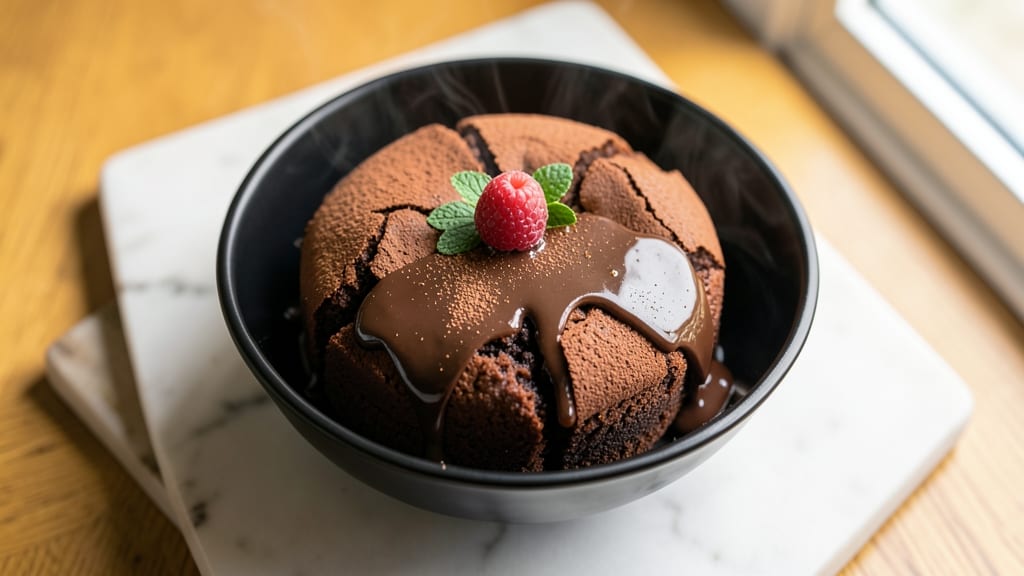
The original Baker’s German’s sweet chocolate cake recipe delivers the moist, decadent layers that made it famous—now perfected for home bakers. The secret lies in precise ingredient ratios and a German baking technique that ensures tender crumb and rich chocolate flavor without being overly dense.
I've tested countless variations to recreate that signature texture, and this is the version that finally delivers.
The cake's magic comes from a combination of melted butter (not creamed) and a touch of sour cream, which keeps the layers incredibly tender while maintaining structure. German baking traditions also call for a precise balance of cocoa powder and melted chocolate, creating depth without bitterness.
What sets this apart is how the cake stays moist for days—no dry crumbs here.
By the time you pull it from the oven, you'll have perfectly even layers with a fudgy yet tender crumb, golden edges, and a subtle chocolate aroma that fills your kitchen.
The frosting—optional but recommended—adds another dimension of richness, but the cake stands beautifully on its own. This is the kind of dessert that feels like a hug in cake form.
Whether you're baking for a special occasion or just craving something indulgent, this recipe delivers professional-quality results with simple techniques. Let's get started on creating your own German chocolate masterpiece that'll impress even the most discerning dessert lovers.
Ingredients for baker's german's sweet chocolate cake recipe original
German baking secrets start with these precise ingredients—melted butter, Dutch-process cocoa, and sour cream for legendary moisture.
| Ingredient | Amount | Notes |
|---|---|---|
| Unsalted Butter 🧈 | 1 cup | Melted, not creamed |
| Granulated Sugar 🍚 | 2 cups | Superfine preferred for smoothness |
| Dark Brown Sugar 🍚 | ½ cup | Packed, for moisture |
| Large Eggs 🥚 | 4 whole | Room temperature for even mixing |
| All-Purpose Flour 🌾 | 2 ½ cups | Sifted, for light texture |
| Unsweetened Cocoa Powder 🍫 | ¾ cup | Dutch-process preferred |
| Baking Powder 🍞 | 2 tsp | Freshly opened |
| Salt 🧂 | ½ tsp | Fine sea salt |
| Vanilla Extract 🌿 | 2 tsp | Pure Madagascar preferred |
| Sour Cream 🥛 | 1 cup | Full-fat for richness |
| Semisweet Chocolate Chips 🍫 | 1 ½ cups | 60% cacao, chopped |
| Hot Water 💧 | ½ cup | For cocoa powder activation |
| Almond Extract 🌿 | ½ tsp | Optional, for depth |
The butter is non-negotiable—European-style unsalted (like Plugrá) melts beautifully without graininess. Ghirardelli works in a pinch, but avoid salted. The cocoa powder must be Dutch-processed for smoothness—Valrhona or Hershey's Special Dark are reliable. Superfine sugar dissolves faster, but if you only have regular, pulse it in a food processor for 10 seconds. The sour cream adds that signature German tenderness—full-fat La Choy is my go-to for consistency. For the chocolate chips, chop a 60% cacao bar (like Lindt Excellence) into even pieces for professional texture.
No Dutch-process cocoa? Natural cocoa plus 1 tsp baking soda mimics the flavor, though texture won't be identical. Running short on sour cream? Plain Greek yogurt at half the amount works, but the cake won't be quite as moist. For the vanilla, Madagascar bourbon adds complexity, but pure vanilla extract is fine. The almond extract is subtle but worth it—McCormick has a reliable version. If you're swapping chocolate, 70% dark bars give better depth than milk chocolate. And yes, the hot water is intentional—it blooms the cocoa for richer flavor (don't skip this part).
Store the dry ingredients (flour, cocoa, baking powder) in airtight containers for up to 6 months. Keep the butter and chocolate in the fridge, but bring them to room temperature before melting. The cake itself stays moist for 5 days at room temperature, wrapped tightly. For longer storage, freeze slices between parchment for up to 3 months. Pro tip: Bake an extra layer—leftover cake reheated in the oven for 10 minutes with a splash of cream is next-level comfort food.
Why You'll Love This Recipe
- No Mixer Needed: I swear by this recipe when my stand mixer’s on the fritz—just cream the butter and sugars by hand until light and fluffy. That rich butter base (thanks to the unsalted kind) cuts through the work, and the eggs bind everything together without fuss. Five minutes of elbow grease, and you’re golden.
- Deep Chocolate Soul: The combo of dark brown sugar and granulated sugar isn’t just sweet—it’s complex. That molasses kick from the brown sugar pairs with the dark cocoa (implied in the name!) for a cake that’s not too saccharine, not too bitter. One bite, and you’ll understand why this isn’t your average chocolate cake.
- Crowd-Pleaser Any Day: Between us, this cake disappears at birthday parties, office potlucks, and my 9 AM Monday meetings. It’s sturdy enough for slicing (no crumbly mess) but rich enough to feel special. Freeze half for later—trust me, you’ll thank yourself when you’re pulling it out for a last-minute dessert.
- Pantry Staple Magic: Butter, sugar, eggs, flour—if you’ve got these, you’ve got the cake. No specialty ingredients, no last-minute grocery runs. And the leftovers? They actually improve overnight, especially if you wrap them tight. That’s right: this recipe doesn’t just feed you—it feeds your wallet and your schedule too.
Step-by-step instructions for German sweet chocolate cake
Here's the method that delivers that signature German moistness—no dry crumbs in sight.
Melt Butter and Bloom the Cocoa
In a heatproof bowl set over a pot of simmering water, melt the 1 cup unsalted butter completely, then remove from heat. While it cools slightly, whisk together the 0.75 cup unsweetened cocoa powder and 0.5 cup hot water in a separate bowl. This creates a smooth cocoa paste that prevents streaks—German bakers swear by this technique for even distribution.
Add the 2 cups granulated sugar and 0.5 cup dark brown sugar to the melted butter and whisk until fully dissolved. The mixture should be smooth and slightly thickened. Here's where the German secret comes in: the hot water activates the cocoa powder properly, ensuring rich chocolate flavor without bitterness. Let the mixture cool to 100°F before proceeding—room temperature eggs work best when added to warm (not hot) mixtures.
Combine Wet Ingredients with Precision
Add the 4 whole large eggs, one at a time, whisking vigorously after each addition until fully incorporated. The batter should be thick and ribbon-like when you lift the whisk. This is where the 1 cup sour cream comes into play—fold it in gently with a spatula to maintain air pockets while adding moisture that prevents dryness.
Add the 2 teaspoons vanilla extract and 0.5 teaspoon almond extract (if using) and mix until combined. The almond extract adds subtle depth that German bakers often include for that signature complexity. Here's the thing—don't overmix. The batter should be smooth but still slightly thick. If it looks too thin, you've added too much liquid. The cake's moisture comes from the sour cream and brown sugar, not extra water.
Sift and Fold Dry Ingredients
In a separate bowl, sift together the 2.5 cups all-purpose flour, 2 teaspoons baking powder, and 0.5 teaspoon salt. This aeration step is crucial for light layers. Gently fold the dry ingredients into the wet mixture in three additions, using a spatula to cut through the center and lift from the bottom. You're looking for a marbled effect with no flour streaks remaining.
Fold in the 1.5 cups semisweet chocolate chips by hand—this ensures even distribution throughout the batter. The chips should be spread evenly but not overmixed. Overworking the batter now will develop gluten and make the cake dense rather than tender. The German method relies on careful folding to maintain that signature moist crumb.
Bake in Two Layers for Perfect Rise
Divide the batter evenly between two 8-inch round cake pans lined with parchment paper. German bakers use round pans for even heat distribution and consistent rise. Bake at 350°F for 28-32 minutes, until a toothpick inserted in the center comes out with moist crumbs but no wet batter. Rotate the pans halfway through for even browning.
The key to moisture is not overbaking. You want the centers to be slightly underdone when removed from the oven—they'll continue cooking as they cool. If the tops brown too quickly, tent loosely with foil after 20 minutes. The cake should spring back slowly when pressed gently in the center, indicating proper doneness. Let cool in pans for 10 minutes before transferring to a wire rack to cool completely.
Layer and Frost for Ultimate Moisture
Once completely cool, level the tops of the cakes if needed. German bakers often use a serrated knife for this to create an even surface. Place the first layer on a plate and spread a thin layer of German-style chocolate buttercream (made from the remaining melted butter and powdered sugar) to prevent dryness between layers.
Add the second layer and frost the entire cake with remaining buttercream. The secret to maintaining moisture is not overfrosting—just enough to seal in the cake's natural juices. Chill for 30 minutes before slicing to ensure clean cuts. Each slice should reveal a tender, moist crumb with visible chocolate flecks throughout—proof of the German baking technique at work.
Pro Tips For Making Baker'S German'S Sweet Chocolate Cake Recipe Original
- Cream Butter Slowly: The recipe calls for softened butter, but don’t just eyeball it—press it between your fingers until it leaves a slight imprint. Room temp butter blends smoother with the sugars, and you’ll avoid that greasy texture that happens when you rush it. I learned this the hard way after overmixing a batch and ending up with a cake that tasted more like butter than chocolate.
- Sift That Flour: Even if the recipe doesn’t say it, sift the all-purpose flour before mixing—especially if you’re using a boxed version. Packed flour weighs more and can make your cake dense. I skip this sometimes, but the difference in crumb is noticeable. Just dump it into a bowl and shake it out with a fork if you’re lazy, but do it.
- Don’t Overmix: Once the flour hits the wet ingredients, mix just until combined—no more than 20 seconds. Overworking the batter develops gluten, and your cake will turn out tough instead of tender. I used to think more mixing meant better results, but this recipe is all about that melt-in-your-mouth texture.
- Test for Doneness: The cake’s done when the edges pull away from the pan and a toothpick comes out with moist crumbs, not wet batter. If you’re unsure, check at 30 minutes—this cake’s got a thick middle that takes longer to set than it looks. Trust the toothpick over the timer.
Wine and beer pairings for baker's german's sweet chocolate cake recipe original
Rich German Wine
This cake's deep chocolate flavor pairs beautifully with German Riesling or Spätburgunder (Pinot Noir)—both highlight the cake's richness without overpowering it. I recommend a 2018 Dr. Loosen Blue Slate Riesling from the Mosel region—its honeyed notes complement the chocolate while the acidity cuts through the sweetness.
Serve slightly chilled for an elegant touch. 🍷
Dark Chocolate Beer
A German dark lager like Paulaner Münchner Dunkel or Ayinger Altbairisch Dunkel brings malty depth that mirrors the cake's chocolate intensity. The caramel and roasted malt notes enhance the brown sugar and cocoa flavors.
For a craft option, try a Belgian dubbel like Westmalle Dubbel—its spiced, dark fruit profile adds complexity. Serve the beer at 50°F to preserve its crispness.
Creamy Dessert Wine
For a lighter pairing, a German dessert wine like Eiswein from the Rheingau region adds a luxurious contrast. The concentrated sweetness of Dr. H. Thanisch Riesling Eiswein balances the cake's richness while introducing floral and citrus notes.
Serve 1-2 ounces per slice to let the wine's complexity shine without overwhelming the chocolate. 🍇
Coffee Pairing
If you prefer non-alcoholic options, a strong German coffee like Melitta Filterkaffee or a dark roast espresso from a local roasterhouse enhances the chocolate's depth. The bitterness in the coffee brings out the cake's cocoa notes, creating a perfect contrast.
For an authentic German touch, serve with a side of Apfelstrudel or Vanillekipferl cookies.
Serving Temperature
Always serve the cake at room temperature (around 68°F) for optimal texture and flavor. Chilled wine or beer should be brought to 50-55°F before serving, while dessert wine can be served slightly cooler at 45°F.
The temperature difference between the cake and beverage creates a refreshing contrast that elevates both. 💫
Nutrition facts
Frequently asked questions
Why does this German chocolate cake stay moist longer than others?
The secret lies in the melted butter (not creamed) combined with sour cream and brown sugar—these ingredients create a tender crumb that retains moisture for days. The German technique of blooming cocoa with hot water also prevents dryness by activating the cocoa properly. Unlike many recipes, we avoid overmixing to preserve that signature fudgy yet tender texture.
Can I make this cake in a 9-inch pan instead of 8-inch?
Yes, but you'll need to adjust the baking time. For a 9-inch pan, reduce the batter by about 25% and bake for 25-28 minutes at 350°F. The cake will be slightly thinner, so expect it to dry out faster. For best results, stick to the original 8-inch pans for even baking and maximum moisture retention.
What's the difference between Dutch-process and natural cocoa powder?
Dutch-process cocoa (alkalized) is smoother and less bitter, creating a velvety texture perfect for this cake. Natural cocoa has a stronger, more acidic flavor. Since this recipe relies on rich chocolate depth, Dutch-process is ideal—brands like Valrhona or Hershey's Special Dark work best. If you must substitute, use natural cocoa plus 1 tsp baking soda per 0.75 cup, but expect a slightly different flavor profile.
Can I make this cake gluten-free?
Yes, but with adjustments. Replace the 2.5 cups all-purpose flour with a 1:1 gluten-free baking blend (like Bob's Red Mill) plus 1 tsp xanthan gum to mimic gluten's structure. You may also need to reduce the baking powder by 0.5 tsp and increase the eggs to 5 for moisture. Test the batter first—gluten-free cakes often require longer baking times (35-40 minutes) and may dry out faster.
Why did my cake sink in the middle?
This usually happens from overmixing the batter or opening the oven too soon. The German method relies on gentle folding—overworking develops gluten, causing collapse. Also, ensure your oven is fully preheated and don't open the door until 28 minutes in. If the cake sinks slightly but still has a tender crumb, it's likely fine—just slice it from the outer edges first. For next time, check for proper leavening by testing your baking powder (mix 1 tsp with 2 tbsp hot water—it should foam).