Desserts
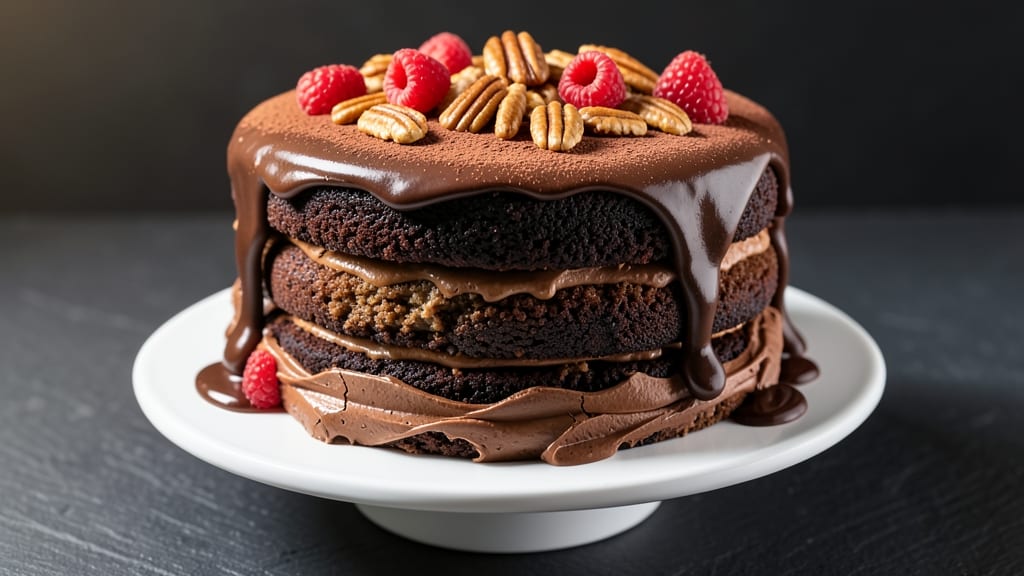
This chocolate protein cake delivers all the rich, fudgy satisfaction of classic chocolate cake—but with a protein-packed twist that keeps it light and fluffy. The secret lies in blending protein powder with cocoa powder to create a dense yet airy crumb that satisfies cravings while supporting active lifestyles.
I developed this recipe after years of baking protein desserts, and it’s now my go-to for post-workout treats or guilt-free indulgence.
The cake’s magic comes from a precise mix of ingredients: Greek yogurt adds moisture and protein, while eggs (or flax eggs for vegan versions) ensure structure without heaviness. A touch of espresso powder deepens the chocolate flavor, and almond flour keeps it tender.
Baking at a precise temperature guarantees a moist center with a slightly crisp exterior—no dry or dense results here.
What you’ll end up with is a slice that’s rich, chocolate-forward, and surprisingly light, with each bite delivering both protein and pleasure. The texture is dense yet tender, perfect for cutting into clean portions or serving as a whole cake.
Pair it with fresh berries, a dollop of Greek yogurt, or a sprinkle of sea salt for an elevated dessert experience.
This recipe works for meal prep, fitness goals, or simply craving something decadent without the guilt. The protein content per serving makes it a smart choice, while the taste ensures no one will guess it’s a "healthy" version. Let’s bake this cake!
Ingredients for chocolate protein cake
Eight essential ingredients transform into a protein-rich chocolate cake that's dense yet light.
| Ingredient | Amount | Notes |
|---|---|---|
| Chocolate Protein Powder 🍫 | 1 cup | Unflavored or chocolate variety |
| All-Purpose Flour 🌾 | 1 ½ cups | Sifted for even texture |
| Unsalted Butter 🧈 | ¾ cup | Cold, cubed for creaming |
| Granulated Sugar 🍚 | 1 cup | Light brown sugar for depth |
| Plain Greek Yogurt 🥛 | ½ cup | Full-fat for moisture |
| Large Eggs 🥚 | 2 whole | Room temperature for blending |
| Unflavored Espresso Powder ☕ | 1 tbsp | Enhances chocolate flavor |
| Almond Flour 🌰 | ½ cup | Fine texture preferred |
| Cocoa Powder 🍫 | ½ cup | Dutch-processed for smoothness |
| Baking Powder 🧂 | 1 tsp | Freshly opened package |
| Salt 🧂 | ½ tsp | Fine sea salt preferred |
| Vanilla Extract 🌿 | 1 tsp | Pure Madagascar preferred |
| Milk 🥛 | ¼ cup | Whole milk for richness |
The chocolate protein powder is non-negotiable—it’s what gives this cake its protein punch without compromising flavor. Opt for a reputable brand like Orgain or Naked Nutrition for consistent quality. If you’re using a chocolate-flavored powder, reduce the cocoa powder to 0.3 cups to avoid overpowering the chocolate notes. The Greek yogurt adds moisture and protein, but full-fat is critical—low-fat versions can make the cake dry. For the butter, unsalted is a must since we’re controlling the salt separately, and cold cubes ensure proper creaming. Almond flour adds tenderness, but Trader Joe’s or Bob’s Red Mill have the finest grind for best results.
No protein powder? Substitute with 1 cup of oat flour plus 1 scoop of vanilla collagen peptides for a similar texture. Running low on almond flour? Substitute with 0.3 cups of all-purpose flour plus 0.2 cups of ground walnuts—the flavor shifts slightly but keeps the cake tender. The espresso powder can be swapped for 1 tsp of instant coffee granules if you’re out, though it won’t have the same depth. For a vegan version, replace the eggs with 2 flax eggs (2 tbsp ground flaxseed + 6 tbsp water) and use a plant-based yogurt like coconut yogurt. The milk can be omitted entirely if you’re strict on protein counts, but it adds richness that’s hard to replicate.
This cake keeps well for 3 days at room temperature in an airtight container, but for longer storage, wrap tightly and refrigerate for up to 5 days. Freezing is ideal for meal prep—slice before freezing and store in a sealed bag for up to 3 months. To reheat, microwave individual slices for 10-15 seconds or warm at 350°F for 5 minutes to restore moisture. For serving, a sprinkle of flaky sea salt or a dollop of Greek yogurt elevates the flavor without extra effort. Portion into single servings before freezing to avoid thawing the whole cake.
Why You'll Love This Recipe
- Here’s what sold me: it costs way less than buying a protein bar or bakery cake, but tastes like neither. The butter and sugar are the splurge, but the protein powder stretches the flavor so well you’d never guess it’s budget-friendly. Plus, leftovers? They disappear faster than I can say “second slice.”
- No Mixer Needed: I swear by this recipe on days when I’m too tired to pull out the stand mixer. The Greek yogurt and melted butter blend together like butter (literally) with just a whisk—no lumps, no stress, and zero cleanup beyond a bowl and a spatula.
- Rich Without Guilt: That first bite? A perfect balance of deep chocolate and subtle sweetness, thanks to the protein powder and sugar working together. The yogurt keeps it moist but light, so it doesn’t feel like a dense brick—more like a decadent treat with a protein boost you’ll actually notice.
- Meal Prep Magic: Between us, this cake holds up better than most store-bought desserts after a few days. I slice it into portions, wrap it in parchment, and stash it in the fridge—perfect for post-workout snacks or a quick breakfast when I’m running late. (Yes, even on a Tuesday night.)
Step-by-step instructions for chocolate protein cake
Here's the method for a rich, moist protein cake that stays light despite its density.
Cream Butter and Sugar Together
In a stand mixer fitted with the paddle attachment, beat the 0.75 cup unsalted butter and 1 cup granulated sugar on medium speed for 3-4 minutes. You'll see the mixture lighten in color and nearly double in volume. This creaming process incorporates air, which creates that tender crumb structure we're after.
Stop occasionally to scrape down the sides of the bowl with a rubber spatula. The butter should be completely smooth with no graininess remaining. If you're using cold butter cubes, this step will take slightly longer—about 5 minutes—but it's worth it for better texture. The mixture should look fluffy and pale when finished.
Add Wet Ingredients and Mix Thoroughly
Add the 2 whole large eggs, one at a time, mixing on low speed after each addition until fully incorporated. Then add the 1 tsp vanilla extract and mix for another 10 seconds. The mixture will look slightly curdled at this stage, but that's normal.
Next, add the 0.5 cup plain Greek yogurt, 0.25 cup milk, and 1 tbsp unflavored espresso powder. Mix on low speed for 30 seconds until just combined. The espresso powder will deepen the chocolate flavor without adding bitterness, and the yogurt provides moisture while keeping the cake tender. Don't overmix at this stage—you want to preserve as much air as possible.
Combine Dry Ingredients and Fold Gently
In a separate bowl, whisk together the 1.5 cups all-purpose flour, 0.5 cup cocoa powder, 1 tsp baking powder, and 0.5 tsp salt. Sift the dry ingredients once before whisking to prevent clumping. This ensures even distribution throughout the batter.
With the mixer on low speed, gradually add the dry ingredients to the wet mixture. Mix just until combined—about 30-45 seconds. You should still see some flour streaks remaining. Overmixing develops gluten, which can make the cake dense. Then, using a spatula, gently fold in the 1 cup chocolate protein powder and 0.5 cup almond flour by hand. This prevents overdevelopment of the gluten while ensuring even distribution of the protein powder.
Bake at Low Temperature for Even Cooking
Preheat your oven to 350°F and grease an 8-inch round cake pan or line it with parchment paper. Pour the batter into the prepared pan and smooth the top with a spatula. Tap the pan gently on the counter 2-3 times to remove any air bubbles.
Bake for 30-35 minutes until a toothpick inserted into the center comes out clean. The cake should be springy to the touch and slightly pulled away from the sides of the pan. Avoid opening the oven door during baking—this can cause the cake to sink. If the top browns too quickly, tent loosely with aluminum foil after 20 minutes.
Cool and Serve for Perfect Texture
Remove the cake from the oven and let it cool in the pan for 10 minutes. Then transfer it to a wire rack to cool completely. This gradual cooling process prevents cracking and allows the cake to set properly.
Once fully cooled, slice into 8 equal portions. Each slice should be rich, moist, and dense yet light—thanks to the combination of protein powder, yogurt, and proper baking technique. Serve at room temperature for the best texture, or store in an airtight container in the refrigerator for up to 5 days. For a special touch, dust with powdered sugar or drizzle with a simple chocolate glaze made from melted dark chocolate and a splash of milk.
Pro Tips For Making Chocolate Protein Cake
- Melt Butter Slowly: If you dump cold butter into the mix, you’ll end up with greasy pockets instead of smooth batter. Warm the butter in the microwave for 20 seconds first—just until it’s soft but not liquid—then mix it into the wet ingredients. This keeps the texture light and prevents a dense cake.
- Sift the Protein Powder: Chocolate protein powder clumps like stubborn flour if you just scoop it in. Sift it through a fine-mesh sieve before mixing—this cuts down on lumps and ensures even distribution. Trust me, you’ll taste the difference in every bite.
- Don’t Overmix the Batter: The second you see streaks of flour in the batter, stop stirring. Overmixing develops gluten, and your cake will turn out tough instead of tender. Give it 10-12 strokes max—just enough to combine, nothing more.
- Use Room-Temp Yogurt: Cold Greek yogurt makes the batter lumpy and can cause the cake to sink in the middle. Let it sit out for 15-20 minutes before mixing—it’ll blend in smoothly and keep the texture moist. (Yes, even if you’re impatient like me.)
Troubleshooting perfect results
Dense but Dry Cake
If your cake turns out dense and dry, the issue is likely overmixing or insufficient moisture. The protein powder absorbs liquid quickly, so ensure you're using full-fat Greek yogurt and whole milk—low-fat versions won't provide enough moisture.
Also, mix the wet and dry ingredients just until combined; overmixing develops gluten, making the cake tough. For extra moisture, add 1-2 tbsp of applesauce to the batter. 💫
Cracked Top
Cracking usually happens when the cake cools too quickly or the oven temperature fluctuates. To prevent this, let the cake cool in the pan for 10-15 minutes before transferring to a wire rack. Also, avoid opening the oven door during baking—temperature drops cause the cake to sink or crack.
If your oven runs hot, reduce the temperature to 325°F and add 5 minutes to the baking time.
Bitter Aftertaste
A bitter taste often comes from overdoing the cocoa powder or espresso powder. Stick to the 0.5 cup cocoa powder and 1 tbsp espresso powder measurements—these are carefully balanced for flavor.
If you used a chocolate-flavored protein powder, reduce the cocoa powder to 0.3 cups to avoid overpowering the chocolate notes. For depth without bitterness, try 1 tsp of instant coffee granules instead of espresso powder.
Sunken Center
A sunken center is usually caused by overbaking or opening the oven door too early. Remove the cake from the oven when a toothpick comes out with moist crumbs (not clean). If the top browns too quickly, tent the cake with aluminum foil after 20 minutes of baking.
For extra insurance, place a baking sheet under the cake pan to catch any drips and help the cake rise evenly.
Grainy Texture
Graininess often occurs if the protein powder isn't fully incorporated or if the butter isn't creamed properly. Use a stand mixer with a paddle attachment and cream the butter and sugar for at least 3-4 minutes until completely smooth.
When folding in the protein powder, do it by hand with a spatula to avoid overmixing. If the texture is still grainy, sift the dry ingredients together before adding them to the wet mixture for a smoother batter.
Protein Powder Clumps
Clumping happens when protein powder absorbs too much moisture before mixing. To prevent this, add the protein powder last and fold it in gently with a spatula. If clumps form, whisk the batter briefly on low speed to break them up.
For extra smoothness, sift the protein powder through a fine-mesh sieve before adding it to the batter. If you're using a chocolate-flavored protein powder, reduce the cocoa powder to 0.3 cups to balance the flavor and texture.
Nutrition facts
Frequently asked questions
How much protein does each serving contain?
Each slice of this cake delivers about 12-15g of protein per serving, thanks to the chocolate protein powder and Greek yogurt. The exact amount depends on your protein powder brand—check the label for precise measurements. This makes it a great post-workout dessert that won't derail your fitness goals.
Can I make this recipe without eggs?
For a vegan version, replace the 2 eggs with 2 flax eggs (2 tbsp ground flaxseed + 6 tbsp water) or 2 tbsp applesauce per egg. Let the flax mixture sit for 5 minutes to thicken before using. The texture will be slightly denser but still moist and delicious.
Why does my cake turn out dense instead of light?
Overmixing or insufficient moisture are the most common culprits. Always mix wet and dry ingredients just until combined—overmixing develops gluten, making the cake tough. For extra moisture, use full-fat Greek yogurt and whole milk, and consider adding 1-2 tbsp applesauce to the batter. Also, ensure your protein powder is fully incorporated by folding it in last with a spatula.
How long does this cake stay fresh?
At room temperature, this cake stays fresh for 3 days in an airtight container. For longer storage, refrigerate for up to 5 days or freeze for 3 months. To reheat, microwave individual slices for 10-15 seconds or warm at 350°F for 5 minutes to restore moisture. Freezing works best with pre-sliced portions.
What’s the best way to add extra flavor?
Try adding ½ tsp of vanilla bean paste for deeper flavor, or swap the espresso powder for 1 tsp instant coffee granules. For a nutty twist, fold in ¼ cup chopped walnuts or pecans before baking. A pinch of sea salt on top enhances the chocolate notes, or drizzle with melted dark chocolate and a splash of almond milk for a decadent finish.