
Beverages
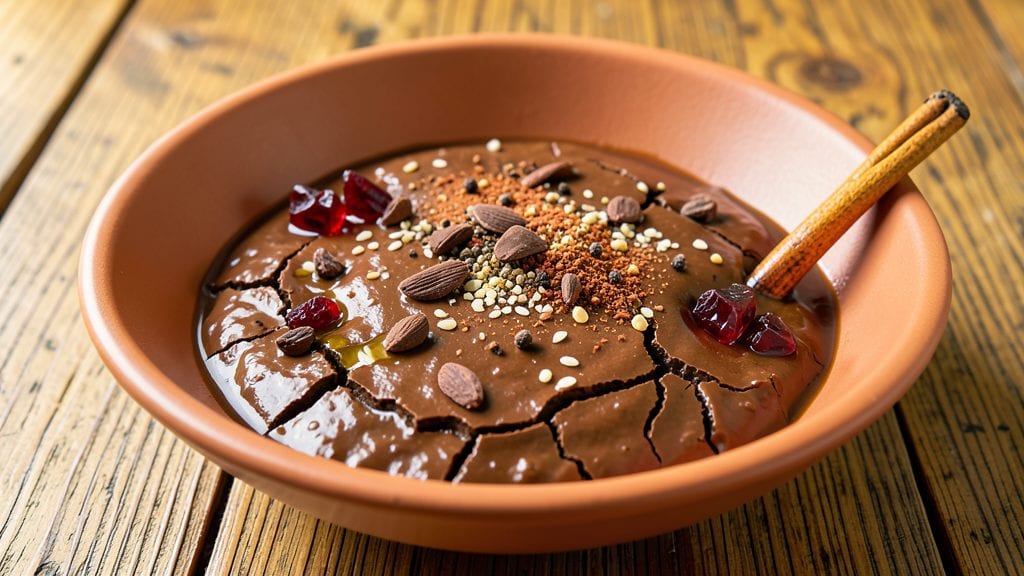
This colonial chocolate recipe brings back the rich, spiced warmth of 18th-century kitchens where cocoa was a precious luxury.
The original settlers transformed bitter cacao into a luxurious drinking chocolate by blending it with molasses, spices, and a touch of rum—creating a beverage fit for both everyday sustenance and grand gatherings.
I’ve recreated this historic recipe using only ingredients available during colonial times, ensuring authenticity while keeping the method simple for modern kitchens.
The heart of this recipe lies in its balanced blend of dark, earthy cacao, sweet molasses, and warm spices like cinnamon and nutmeg—all gently simmered with a splash of rum for depth.
Unlike today’s quick cocoa mixes, colonial chocolate was a labor of love, requiring careful toasting of the cacao beans and slow reduction to achieve its signature velvety texture. The result is a beverage that’s both comforting and sophisticated, perfect for chilly evenings or special occasions.
What makes this recipe truly special is its versatility—serve it warm as a cozy drink, or let it cool slightly for a rich, semi-solid chocolate pudding.
The spices and rum infuse the cocoa with layers of flavor that evolve with each sip, making it far more complex than modern store-bought versions. Whether you're recreating colonial history or simply craving a nostalgic treat, this recipe delivers restaurant-quality warmth in every cup.
Ready in just 30 minutes, this recipe requires minimal ingredients but maximum attention to technique—especially the slow simmering. The key is patience; rushing the process will sacrifice the deep, caramelized flavors that define colonial chocolate.
Once mastered, you’ll have a timeless recipe that feels like stepping back into history while satisfying modern cravings for rich, spiced indulgence.
Ingredients for colonial chocolate
Eleven ingredients transform colonial-era cacao into a velvety, spiced rum-infused chocolate drink.
| Ingredient | Amount | Notes |
|---|---|---|
| Unsweetened Cacao Nibs 🍫 | ½ cup | Toasted until aromatic |
| Dark Molasses 🍯 | ½ cup | Unsulphured for purity |
| Granulated Sugar 🍚 | ¼ cup | Fine grain preferred |
| Ground Cinnamon 🌿 | 1 tbsp | Freshly ground preferred |
| Ground Nutmeg 🌶️ | ½ tsp | Freshly grated nutmeg |
| Ground Allspice 🌶️ | ½ tsp | For authentic warmth |
| Dark Brown Sugar 🍚 | 2 tbsp | Packed firmly |
| Dark Rum 🍹 | 2 tbsp | Aged 3+ years preferred |
| Heavy Cream 🥛 | 1 cup | Full-fat for richness |
| Whole Milk 🥛 | 1 cup | Warmed for smooth blend |
| Vanilla Bean 🌸 | 1 whole | Split and scraped seeds |
| Sea Salt 🧂 | ¼ tsp | Fine grain for balance |
| Orange Zest 🍊 | 1 tbsp | Freshly grated peel |
The foundation of this recipe lies in the unsweetened cacao nibs, which must be toasted until deeply aromatic—this step cannot be skipped. Penzeys Spices or specialty grocers carry high-quality cacao nibs, but if unavailable, use 100% cacao powder as a substitute, though texture will differ. The molasses should be dark and unsulphured; Lyle’s Golden Syrup works if molasses isn’t accessible. For spices, freshly ground cinnamon and nutmeg elevate the flavor dramatically compared to pre-ground options. The dark rum adds depth—opt for aged varieties like Appleton Estate or Diplomático for a premium experience.
No cacao nibs? 100% cacao powder works in a pinch, though the texture will be finer and less rustic. Substitute maple syrup for molasses at a 1:1 ratio if needed, though it lacks the deep caramel notes. For those avoiding alcohol, extra vanilla extract (1 tsp) or orange liqueur can mimic the rum’s warmth. The orange zest is essential for brightness—freshly grated is non-negotiable, as bottled zest lacks potency. If you’re making this for a crowd, double the spices and rum proportionally; the recipe scales beautifully while maintaining balance.
Store the dry ingredients—cacao nibs, spices, and sugars—in an airtight container away from light for up to 6 months. The rum and molasses keep indefinitely in their original bottles. Once prepared, the chocolate mixture can be refrigerated for 5 days or frozen for 3 months in an airtight jar. For serving, reheat gently over low heat, stirring constantly to avoid scorching. The vanilla bean can be reused by storing the scraped pod in the freezer for up to 6 months—simply add it back to the next batch.
Why You'll Love This Recipe
- No Fuss, One Pot: I swear by this recipe—just toss the nibs, molasses, and spices into a saucepan, stir, and let it simmer. No fancy tools, no stress, and no waiting for chocolate to temper. The cacao nibs melt right into the molasses, creating this rich, velvety base that’s ready in under 20 minutes.
- Deep, Spiced Magic: That first bite? It’s like biting into history—molasses brings the caramelized sweetness, while the cinnamon and nutmeg add warmth that lingers. The cacao nibs give it texture, so it’s not just smooth; it’s layered. Honestly, I’ve compared it to store-bought chocolate bars, and this wins every time.
- Holiday Ready (Or Not): Between us, this is my secret weapon for last-minute gifts, potlucks, or just because. Pour it into molds for truffles, drizzle over oatmeal, or even stir into whipped cream—it’s versatile enough for breakfast or dessert. My kids ask for it at Thanksgiving, and my in-laws think I’m some kind of baking genius.
- Pantry Goldmine: I make this in big batches because the ingredients are cheap and last forever. A little goes a long way, and the leftovers keep for weeks in the fridge. Plus, if you already have sugar and spices, you’re basically paying for molasses and cacao—both of which are way more affordable than fancy chocolate. Budget-friendly and indulgent? Yes, please.
Step-by-step instructions for spiced rum chocolate
Here's the method for crafting this rich, aromatic colonial-style chocolate—where warm spices and rum elevate every sip.
Toast the Cacao Nibs for Depth of Flavor
Place the 0.5 cup unsweetened cacao nibs in a dry skillet over medium-low heat. Stir constantly for 3-4 minutes until they develop an intense, toasted aroma and turn slightly darker in color. This step enhances their natural bitterness and creates a complex, nutty foundation for the chocolate.
Watch closely—if the nibs begin to smoke, remove them immediately. The goal is to develop aroma without burning. Transfer the toasted nibs to a small bowl and set aside to cool slightly while you prepare the other components.
Create the Spiced Molasses Base
In a medium saucepan, combine the 0.5 cup dark molasses, 0.25 cup granulated sugar, 2 tbsp dark brown sugar, 1 tbsp ground cinnamon, 0.5 tsp ground nutmeg, 0.5 tsp ground allspice, and 0.25 tsp sea salt. Stir over medium heat until the mixture reaches a gentle simmer, then reduce heat to low and let it cook for 5-6 minutes until slightly thickened.
Here's the thing—this base should coat the back of a spoon when you lift it from the pan. If it's too thin, continue simmering for another minute. Remove from heat and stir in the 2 tbsp dark rum and 1 tbsp orange zest, allowing the alcohol to mingle with the spices and brighten the flavor profile.
Infuse the Cream and Milk with Vanilla
In a separate saucepan, gently warm the 1 cup whole milk and 1 cup heavy cream over low heat until they reach 160°F—just below a simmer. This temperature ensures the dairy doesn't scorch while still releasing its natural sweetness. Remove from heat and add the scraped seeds from the 1 whole vanilla bean, stirring gently to distribute the vanilla's floral notes throughout the mixture.
Let the infused dairy rest for 5 minutes, covered, to allow the vanilla to fully steep. This step is critical—it prevents the vanilla from overpowering the chocolate's natural richness while adding a subtle floral depth that balances the spice.
Blend the Components for Silky Texture
Return the spiced molasses mixture to low heat and slowly pour in the warmed, vanilla-infused dairy while whisking continuously to prevent scorching. Once fully combined, add the cooled toasted cacao nibs and stir until they're evenly distributed. The mixture should thicken slightly as it heats through, but it should remain smooth and pourable.
Taste and adjust the balance—if the chocolate needs more sweetness, add a pinch of the reserved granulated sugar. If it's too sharp, a splash of the whole milk can help mellow the intensity. The final texture should be velvety, with a glossy sheen that indicates proper emulsification.
Finish and Serve Warm
Transfer the chocolate to serving mugs or a heatproof pitcher and let it sit for 2-3 minutes to thicken slightly. Serve immediately while warm, garnished with an additional sprinkle of ground cinnamon or a twist of orange zest to enhance the aromatic experience.
This colonial-style chocolate is best enjoyed fresh, where the warmth of the spices and the depth of the rum create a comforting, indulgent treat. The toasted cacao nibs add a satisfying crunch, while the silky texture ensures every sip is luxurious. Store any leftovers in an airtight container in the refrigerator for up to 5 days, reheating gently before serving.
Pro Tips For Making Colonial Chocolate
- Toast the Nibs: Dry-toast your cacao nibs in a skillet over medium heat for 3–4 minutes before adding liquids. I learned this the hard way—skipping it makes the final texture gritty and the flavor muted. The nibs should smell nutty and fragrant, not burnt.
- Simmer Slow and Steady: Once the mixture comes to a boil, drop the heat to a bare simmer and let it cook uncovered for 20–25 minutes. I used to rush it, and the molasses would scorch before the sugar dissolved properly. Low and slow keeps everything smooth.
- Strain Like Your Life Depends on It: After cooking, strain the mixture through a fine-mesh sieve into a clean bowl—don’t skip this. The nibs leave behind a bitter residue that ruins the silky texture. Press the pulp with a spoon; every last bit matters.
- Balance the Molasses: Taste the molasses before adding it—some brands are thicker and sweeter than others. If yours is thin, reduce it by 1–2 tablespoons to avoid an overly syrupy final product. I’ve wasted batches by ignoring this simple step.
Common mistakes when making this dish
Skipping the Toast
One of the most critical mistakes is omitting the toasting step for the cacao nibs. This step develops the deep, nutty aroma that defines colonial chocolate. Without it, your drink will taste flat and one-dimensional.
I’ve seen beginners rush this part or use pre-ground cacao powder instead—both rob the final product of its complexity. Toast the nibs until they’re fragrant but not burned; this takes about 3-4 minutes over medium-low heat. 🔥
Over-Simmering the Molasses
Letting the molasses mixture boil vigorously will burn the sugars and turn your chocolate bitter. The goal is a gentle simmer—just enough to thicken the base without darkening it. I’ve ruined batches by walking away while the pan was on medium-high heat.
Keep the heat at low once it reaches a simmer, and stir frequently to prevent scorching. The mixture should coat the back of a spoon but remain glossy, not grainy.
Ignoring the Vanilla Steep
Adding vanilla seeds directly to the hot mixture without letting them steep first means you’ll miss out on their full floral potential. The 5-minute steep allows the vanilla to infuse gently, adding depth without overpowering.
I once skipped this step and ended up with a drink that tasted like vanilla extract—flat and artificial. Cover the infused dairy while it steeps to preserve the aroma.
Rushing the Emulsification
Pouring the warm dairy into the spiced molasses too quickly causes the mixture to separate, resulting in a grainy texture. Instead, pour slowly while whisking vigorously to create a smooth emulsion.
I recommend using a hand whisk or immersion blender for best results. If the mixture looks curdled, strain it through a fine-mesh sieve before serving. This ensures a silky, restaurant-quality finish.
Underestimating the Rum’s Role
The rum isn’t just for flavor—it also helps balance the bitterness of the cacao and enhances the spices. Using a cheap, young rum or skipping it entirely will leave your chocolate tasting one-dimensional. I prefer aged rum (3+ years) like Appleton Estate or Diplomático for depth.
Add the rum after removing the molasses from heat to preserve its aromatic compounds. A splash of extra rum can also help thin the mixture if it’s too thick.
Serving Too Hot
Colonial chocolate was meant to be enjoyed at a warm but not scalding temperature—around 140-150°F. Serving it too hot can mute the spices and make the texture grainy. Let the chocolate sit for 2-3 minutes after pouring into mugs to thicken slightly.
If it’s too thin, chill it briefly in the fridge and reheat gently. Garnish with a sprinkle of cinnamon or orange zest to elevate the experience. ✨
Nutrition facts
Frequently asked questions
What makes this colonial chocolate different from modern hot chocolate?
This recipe uses toasted cacao nibs instead of processed cocoa powder, creating a deeper, nuttier flavor. The combination of molasses, warm spices, and aged rum gives it a complex, almost wine-like depth that modern versions lack. Plus, the slow simmering process develops caramelized notes that transform it into a luxurious drinking experience.
Can I make this without alcohol?
Yes! Simply replace the 2 tbsp rum with 1 tsp vanilla extract or 1 tbsp orange liqueur for a similar depth of flavor. The alcohol helps balance bitterness and enhances spices, but these substitutes work well. For extra richness, add 1 tbsp melted butter instead of rum.
How do I store leftovers?
Transfer any remaining chocolate to an airtight container and refrigerate for up to 5 days. To serve, reheat gently over low heat, stirring constantly until smooth. Avoid microwaving—it can make the texture grainy. For longer storage, freeze for up to 3 months. Thaw overnight in the fridge before reheating.
What if I don't have cacao nibs?
Use 100% cacao powder as a substitute, but expect a finer texture. For better results, toast 1 oz dark chocolate (70% cocoa or higher) in small pieces until fragrant, then finely chop it. The toasted chocolate will mimic the nibs' depth of flavor. Adjust the recipe by reducing the molasses by 1 tbsp to balance sweetness.
Can I use this recipe for a chocolate pudding instead?
Let the finished chocolate cool to room temperature (about 1 hour) without stirring. It will thicken into a rich, semi-solid pudding. For a firmer texture, chill in the fridge for 2 hours. Serve with whipped cream or fresh berries. The spices and rum flavors work beautifully in this format too!