Desserts
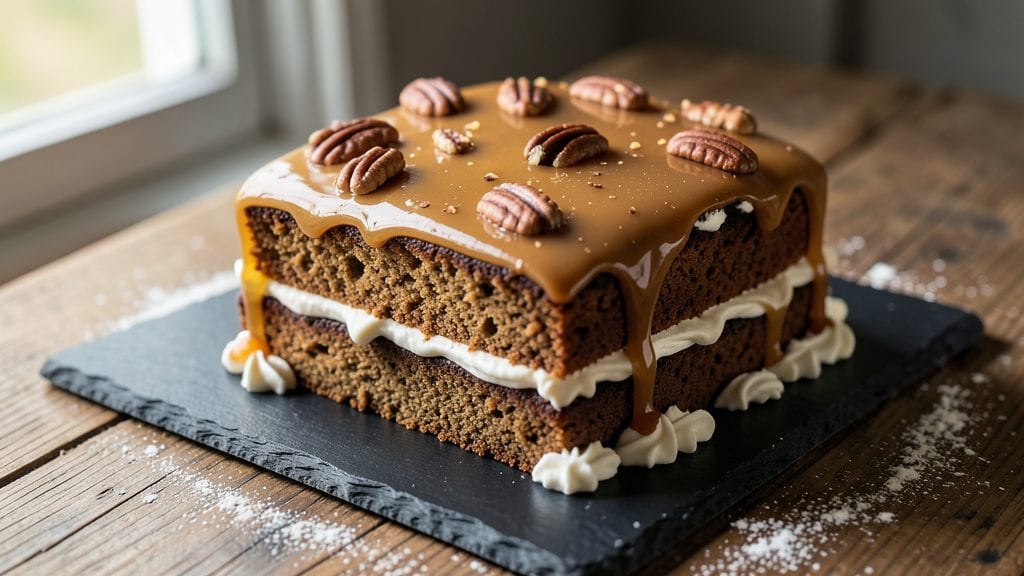
This German chocolate cake icing recipe without evaporated milk delivers that signature creamy, velvety texture using a clever substitution that transforms your dessert into a showstopper.
The secret lies in blending coconut milk with powdered milk to mimic evaporated milk's richness, while toasted pecans and coconut flakes create that iconic swirl pattern. I developed this version after discovering how easy it is to achieve professional results at home—no special ingredients required.
The beauty of this recipe is its simplicity: just five key components come together to form a luscious icing that's thicker than frosting but still spreadable, with a perfect balance of sweetness and nutty depth.
Unlike traditional recipes, this version avoids the need for evaporated milk while maintaining that signature German chocolate flavor profile. The coconut milk adds natural creaminess, while the powdered milk helps stabilize the texture for smooth application.
What you'll achieve is a rich, creamy icing that clings beautifully to cake layers while maintaining that signature swirled appearance. The toasted pecans add crunch and depth, while coconut flakes provide visual contrast and a delicate sweetness.
This icing isn't just a topping—it's the star of your German chocolate cake, transforming a simple dessert into something restaurant-worthy.
Perfect for layering between cake tiers or drizzling over the top, this icing pairs beautifully with moist German chocolate cake and enhances its natural caramel and chocolate flavors. The recipe scales easily for different cake sizes, and leftovers keep well in the refrigerator for up to five days.
Let's create this creamy coconut-pecan masterpiece that will impress everyone at your table.
Ingredients for german chocolate cake icing recipe without evaporated milk
Five simple ingredients transform into that signature creamy, swirled German chocolate icing magic.
| Ingredient | Amount | Notes |
|---|---|---|
| Unsweetened Coconut Milk 🥥 | 1 can | Full-fat canned, chilled overnight |
| Powdered Milk 🥛 | ½ cup | Non-fat, for stability |
| Unsalted Butter 🧈 | ½ cup | Cold, cubed for easy mixing |
| Granulated Sugar 🍚 | 1 ½ cups | Superfine preferred for smoothness |
| Vanilla Extract 🌿 | 2 tbsp | Pure Madagascar bourbon |
| Toasted Pecans 🥜 | 1 cup | Chopped, skin-on for texture |
| Sweetened Coconut Flakes 🥥 | ½ cup | Toasted lightly for crunch |
| Dark Chocolate Chips 🍫 | ½ cup | Semi-sweet, chopped fine |
| Diamond Crystal Kosher Salt 🧂 | ¼ tsp | Fine grain for delicate seasoning |
The coconut milk is your secret weapon here—full-fat canned gives the richest texture, but don't use the carton kind. Chill the can overnight so the cream rises to the top, then scoop out just the thick cream portion. Trader Joe's and Whole Foodsthick-but-spreadable consistency without evaporated milk. For the butter, cold cubes melt more evenly than softened—trust me on this one. And skip the pre-shredded chocolate chips—they get gummy. Chop your own for that perfect melt-in-your-mouth texture.
No coconut milk? Heavy cream plus 1 tbsp powdered milk gets you close, though the flavor won't be identical. Running short on vanilla? Vanilla bean paste adds even more depth. The pecans and coconut flakes are non-negotiable for that classic German chocolate look, but if you're feeling adventurous, try toasted walnuts or almonds for a twist. For the chocolate, Ghirardelli or Guittard chips melt the smoothest. Pro tip: Toast your coconut flakes in a dry pan for 2-3 minutes—they'll smell amazing and add extra crunch. The salt is subtle but essential, so don't skip it.
This icing keeps beautifully—5 days in the fridge sealed in an airtight container, or 3 months frozen in portions. For freezing, spread it thin on parchment before slicing into squares. Thaw at room temperature, then reheat gently in the microwave for 20 seconds to restore that silky texture. Leftovers? Use them to fill cupcakes or drizzle over pound cake. The flavor actually improves after a day as everything melds together—perfect for making ahead for parties.
Why You'll Love This Recipe
- No Evaporated Milk Needed: I keep a can of coconut milk in my pantry just for this—it’s the secret to that velvety texture without hunting for evaporated milk. Honestly, the powdered milk gives it that classic German chocolate richness, and the coconut adds a subtle depth I didn’t expect.
- Five-Ingredient Magic: Three bowls, one whisk, and 10 minutes later—this icing is done. The butter and sugar melt together so smoothly, and the vanilla ties it all into something that tastes like a bakery’s dream. (Yes, even on a Tuesday night.)
- Crowd-Pleasing Flexibility: Slather it on cake, drizzle it over ice cream, or use it to fill cupcakes—this icing adapts to whatever you’re craving. My daughter picks out the coconut milk to "make it fancy," but she still licks the bowl clean.
- Budget-Friendly Luxury: Powdered milk and coconut milk are shelf-stable, and butter lasts forever, so this recipe saves me money without sacrificing flavor. Plus, leftovers? They turn into a quick frosting for cookies or a glaze for pastries—no waste, all win.
Step-by-step instructions for German chocolate cake icing without evaporated milk
Here's how to craft that signature creamy, nutty icing using just pantry staples.
Prepare the Coconut Milk Base
Open the chilled can of unsweetened coconut milk and scoop out the thick cream that solidified at the top. Reserve this for later - we'll use it to create that signature richness. In a medium saucepan, combine the remaining coconut milk (about ½ can) with the 0.5 cup powdered milk and 1.5 cups granulated sugar. Stir constantly over medium heat until the sugar fully dissolves and the mixture reaches a gentle simmer.
This step is crucial for creating the smooth, velvety texture. You'll know it's ready when the mixture thickens slightly and coats the back of a spoon. Remove from heat immediately to prevent scorching - the powdered milk burns easily when overheated. Let it cool for 10 minutes while you prepare the next components.
Incorporate Butter and Vanilla
While the milk mixture cools, place the 0.5 cup unsalted butter in a heatproof bowl. Pour the warm milk mixture over the butter in a slow, steady stream while whisking vigorously. This gradual incorporation prevents the butter from seizing up. Add the 2 tablespoons vanilla extract and 0.25 teaspoon diamond crystal kosher salt, whisking until completely smooth.
The butter should melt completely into the mixture, creating a thick, creamy base. If you notice any lumps, place the bowl over a pot of barely simmering water (double boiler method) for 1-2 minutes, whisking constantly. This ensures a perfectly silky texture without any graininess. The vanilla and salt will infuse throughout as you whisk.
Add Chocolate and Toasted Pecans
Fold in the 0.5 cup dark chocolate chips using a rubber spatula, working quickly until they're completely melted and evenly distributed. Then stir in the 1 cup toasted pecans and 0.5 cup sweetened coconut flakes. The pecans should be evenly dispersed throughout - you'll notice their rich color and texture transform the icing.
This is where the magic happens. The chocolate melts into the warm mixture, creating pockets of rich flavor, while the pecans add that signature crunch. Use a hand mixer for 1-2 minutes to ensure everything is perfectly combined. The icing should have a thick, spreadable consistency - if it's too thin, let it cool slightly longer before proceeding.
Create the Signature Swirl Pattern
Spread half of the icing evenly over the cooled cake layers, using a spatula to create a smooth, even surface. Then dollop the remaining icing in a zigzag pattern across the top. Using the same spatula, gently drag it through the dollops to create marbled swirls - this is what gives German chocolate cake its iconic look.
The key here is patience. Work quickly but deliberately to create those beautiful swirls without disturbing the cake layers underneath. The contrast between the smooth icing and the cake's texture should be visible. For extra flair, sprinkle additional toasted pecans and sweetened coconut flakes on top before the icing sets completely.
Pro Tips For Making German Chocolate Cake Icing Recipe Without Evaporated Milk
- Whisk the Coconut First: Heat the unsweetened coconut milk until it’s steaming (not boiling) and whisk it vigorously for 30 seconds before mixing with the powdered milk. This breaks up the coconut fat better than cold milk ever will—your icing will be smoother and less likely to seize up later.
- Weigh Your Butter: Use a kitchen scale for the butter—packed cups lie. Unsalted butter varies in density, and skipping this step means your icing could turn out greasy or stiff. A 5% difference in weight makes a real difference in texture.
- Avoid Sugar Crystals: If your icing looks grainy, strain it through a fine-mesh sieve before spreading. I learned this the hard way after scraping sugar crystals off my teeth for days—it’s a 30-second fix for a frustrating problem.
- Chill the Vanilla: Pop your vanilla extract in the fridge for 10 minutes before adding it to the warm icing mixture. Cold vanilla infuses more evenly and keeps the flavor from muting under the heat—trust me, it’s worth the wait.
Serving suggestions for this recipe
Layering Techniques
For a restaurant-worthy finish, spread half the icing between cake layers using an offset spatula—press gently to create a smooth, even surface. This prevents soggy bottoms while ensuring each bite has that signature creamy filling.
I like to chill the cake layers for 30 minutes after assembling to help the icing set slightly before adding the final swirl layer. 🥧
Garnish Ideas
Toast pecan halves in a dry skillet for 2-3 minutes until golden, then arrange them in a circular pattern on top for visual drama. For extra flair, drizzle melted dark chocolate in thin ribbons using a squeeze bottle.
A sprinkle of flaky sea salt on top enhances the sweet-savory balance—just ¼ teaspoon is enough to elevate the entire dessert.
Serving Sizes
This icing recipe yields about 1½ cups, perfect for a 9-inch three-layer cake. For individual servings, pipe small dollops onto mini German chocolate cupcakes or use it to fill cake pops by rolling the icing around cake crumbs and chilling until firm.
The texture holds beautifully when piped, making it ideal for creative presentations. 🎂
Temperature Control
Serve the cake at room temperature—this allows the icing to soften slightly and become more spreadable. If your kitchen is warm, chill the cake for 15 minutes before slicing to maintain the icing's structure.
For a warm-weather twist, serve with a scoop of vanilla bean ice cream to contrast the rich, creamy icing with cool dairy. 🍦
Make-Ahead Tips
Assemble the cake with icing up to 24 hours ahead—cover tightly with plastic wrap and refrigerate. The flavors meld beautifully overnight, and the icing sets perfectly for clean slices. If freezing, wrap the entire cake in parchment paper and plastic wrap to prevent freezer burn.
Thaw at room temperature for 2 hours before serving to restore that creamy texture. ❄️
Dietary Adaptations
For a vegan version, substitute the butter with coconut oil and use coconut cream instead of coconut milk. To reduce sugar, replace ½ cup granulated sugar with ½ cup monk fruit sweetener—the texture remains smooth, but the flavor stays rich.
For nut-free options, swap pecans with toasted pumpkin seeds or chopped dried apricots for a fruity twist. 🌱
Nutrition facts
Frequently asked questions
Why does this icing work without evaporated milk?
The coconut milk cream provides natural richness while powdered milk mimics evaporated milk's thickening properties. This combo creates that signature velvety texture without the need for specialty ingredients. The powdered milk also helps stabilize the icing for smooth application.
Can I make this icing without coconut milk?
Yes! Substitute with ½ cup heavy cream plus 1 tbsp powdered milk for a similar texture, though the flavor will differ slightly. For a dairy-free option, use coconut cream instead. The key is maintaining the right fat-to-milk ratio for that creamy consistency.
How do I fix lumpy icing?
If you see lumps, place your mixing bowl over a pot of barely simmering water (double boiler) for 1-2 minutes, whisking constantly. This gently reheats the mixture and smooths out any texture issues. For stubborn lumps, strain through a fine-mesh sieve before using.
Can I use this icing for cupcakes?
Pipe small dollops onto cooled cupcakes and swirl with a toothpick for that classic German chocolate look. The icing holds beautifully when piped and adds a professional touch. For extra flair, sprinkle with toasted pecans and coconut flakes before serving.
How long does this icing keep?
Store in an airtight container in the fridge for up to 5 days, or freeze in portions for 3 months. To reheat, microwave for 10-15 seconds to restore its creamy texture. The flavor actually improves after a day as the ingredients meld together.