Desserts
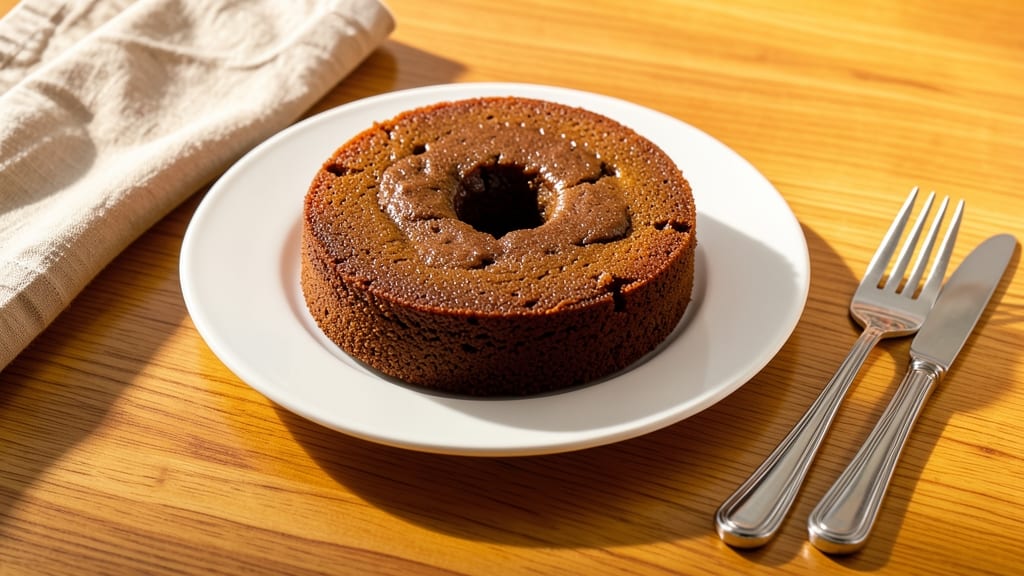
This German chocolate potato cake recipe delivers the perfect balance of tender, moist layers and a rich, nutty frosting that tastes like a hug for your taste buds. The secret lies in the potato-based batter, which creates a uniquely tender crumb while absorbing moisture beautifully—no dry cake here.
I've perfected this version over years of baking, ensuring every slice has that signature German chocolate flavor with just the right amount of pecans and cocoa.
The cake itself bakes up with a golden top and a velvety texture that stays moist for days, thanks to the potato's natural binding properties. The frosting, inspired by classic German chocolate cake but with a twist, combines cocoa powder, pecans, and a touch of coffee for depth.
This isn't your average dessert—it's a showstopper that tastes like a bakery creation but comes together with straightforward techniques.
What makes this recipe truly special is how the flavors develop as it cools. The cake's subtle sweetness pairs perfectly with the frosting's nutty richness, creating a harmony that's impossible to resist.
Whether you're serving it at a holiday gathering or treating yourself to a special dessert, this cake delivers restaurant-quality results with a homemade touch.
Ready in just under an hour with minimal prep, this recipe is perfect for bakers of all levels. The key steps—mixing the batter, layering carefully, and chilling before frosting—ensure that final product lives up to the promise of moist layers and a velvety finish. Let's get baking!
Ingredients for german chocolate potato cake
Pantry staples meet potato magic for this velvety German chocolate cake—moist layers guaranteed.
| Ingredient | Amount | Notes |
|---|---|---|
| Russet Potatoes 🥔 | 1 ½ lbs | Peeled and grated, excess liquid drained |
| All-Purpose Flour 🌾 | 2 ½ cups | Sifted, for tender crumb |
| Granulated Sugar 🍚 | 2 cups | White or light brown |
| Unsalted Butter 🧈 | 1 ½ cups | Room temperature, full-fat |
| Large Eggs 🥚 | 4 whole | Room temperature, separated |
| Vanilla Extract 🌸 | 2 tsp | Pure, high-quality |
| Baking Powder 🧂 | 2 tsp | Aluminum-free for best rise |
| Salt 🧂 | ½ tsp | Fine sea salt |
| Unsweetened Cocoa Powder 🍫 | ½ cup | Dutch-processed preferred |
| Instant Espresso Powder ☕ | 1 tbsp | For coffee depth |
| Pecans 🌰 | 1 ½ cups | Chopped, toasted |
| Heavy Cream 🥛 | 1 cup | Full-fat for richness |
| Powdered Sugar 🍚 | 3 cups | For smooth frosting |
| Milk 🥛 | ½ cup | Whole milk preferred |
The potatoes are non-negotiable here. Russets work best—their starch creates that signature tender crumb. Grab a 5-lb bag from Costco for bulk savings, or just one at your local grocery. Peel and grate them immediately (the longer they sit, the more liquid they release), then squeeze out all the moisture with a clean kitchen towel. Diamond Crystal baking powder is my go-to for reliable rise, but any brand with aluminum-free labeling will work. For the pecans, toast them in a dry pan over medium heat for 3-4 minutes—they should smell nutty and fragrant. Let them cool completely before chopping, or the frosting will turn greasy.
No instant espresso powder? Strong brewed coffee cooled works in a pinch, but use half the amount. Dutch-processed cocoa powder (like Ghirardelli) gives a smoother frosting, but natural cocoa works too. Short on butter? Vegetable shortening keeps the cake tender, though it lacks flavor. The cake batter should be thick but pourable—if it's too stiff, add 1-2 tablespoons of milk. For the frosting, heavy cream must be chilled before whipping, or it won't hold its shape. Powdered sugar from the bulk bin clumps less than pre-packaged brands. And if you're feeling fancy, swap half the pecans for toasted walnuts—they add a different crunch without overpowering.
This cake stays moist for 5 days covered at room temperature, or 1 week refrigerated. The frosting? Keep it sealed between parchment layers in the fridge for 3 days, or freeze the entire cake for 3 months. To reheat, wrap slices in a damp paper towel and microwave for 10-15 seconds. The pecans in the frosting crisp up beautifully when toasted—sprinkle them over warm slices for extra texture. Store components separately if freezing: cake layers wrapped in plastic, frosting in an airtight container.
Why You'll Love This Recipe
- No-Fuss Baking: I swear, this cake requires zero special skills—just peel, grate, and mix. The potatoes do all the heavy lifting while you’re still deciding whether to preheat the oven.
- Rich Without Effort: That buttery potato base? It’s like a cross between a dense brownie and a moist cake, but somehow simpler. The sugar caramelizes just enough to give it a subtle, deep sweetness—no fancy syrups needed.
- Weeknight Crowd-Pleaser: Here’s what sold me—this feeds six but costs less than takeout. Double the batter, bake in two pans, and suddenly you’re the hero of game night. (Yes, even on a Tuesday night.)
- Leftovers? More Like Leftovers: Between us, this cake tastes better the next day—if you can resist eating the whole pan. Store slices in the fridge, and reheat with a quick broil for that crispy edge. My secret weapon for lazy mornings.
Step-by-step instructions for German chocolate potato cake
This method ensures a perfectly moist potato cake with rich, nutty layers and velvety frosting.
Prepare the Potato Base
Grate the 1.5 lbs russet potatoes using the large holes of a box grater. Place the grated potatoes in a clean kitchen towel and wring out all excess liquid thoroughly. This step is crucial—any remaining moisture will make your cake dense instead of light and tender.
Transfer the drained potatoes to a mixing bowl and set aside. In a separate bowl, whisk together the 2.5 cups all-purpose flour, 2 tsp baking powder, 0.5 tsp salt, and 1 tbsp instant espresso powder. Sift the dry ingredients directly over the potatoes to distribute evenly. The espresso powder adds subtle depth that complements the cocoa later.
Cream Butter and Sweeteners
In a stand mixer fitted with the paddle attachment, beat the 1.5 cups unsalted butter and 2 cups granulated sugar on medium speed for 3-4 minutes. The mixture should become light and fluffy, nearly doubling in volume. This aeration creates the cake's signature tender crumb.
Add the 4 whole large eggs, one at a time, mixing well after each addition. Scrape down the sides of the bowl as needed. Stir in the 2 tsp vanilla extract and mix until fully combined. The eggs provide structure while keeping the texture moist—don't overmix or the cake will become tough.
Combine Wet and Dry Ingredients
Gradually add the potato-flour mixture to the butter-sugar mixture in three additions, mixing on low speed just until combined after each addition. Avoid overmixing—stop as soon as the batter comes together. The batter will be thick but smooth, similar to pancake batter.
Fold in the 1.5 cups chopped pecans using a spatula. The nuts add texture and complement the cocoa frosting beautifully. Pour the batter into two 8-inch round cake pans lined with parchment paper and greased with butter. Bake at 350°F (175°C) for 25-30 minutes, or until a toothpick inserted in the center comes out clean.
Prepare the German Chocolate Frosting
In a medium saucepan, combine the 1 cup heavy cream, 0.5 cup milk, 0.5 cup unsweetened cocoa powder, and 2 cups granulated sugar. Bring to a gentle boil over medium heat, stirring constantly until the sugar dissolves completely. Remove from heat and let cool for 5 minutes. The mixture should thicken slightly as it cools.
Whisk in the 3 cups powdered sugar until smooth and fully incorporated. The frosting should be thick enough to spread but still pipeable. If it's too thin, cook it for an additional 1-2 minutes to reduce further. Let the frosting cool completely before using—warm frosting will melt on the cake.
Assemble and Frost the Cake
Allow the baked cakes to cool in the pans for 10 minutes, then transfer to a wire rack to cool completely. Once cooled, level the tops if needed and place one cake layer on a serving plate. Spread a generous layer of the cooled frosting over the top, then place the second cake layer on top.
Frost the entire cake, including the sides, with the remaining frosting. Sprinkle the top with additional chopped pecans for decoration and texture. Serve at room temperature for the best texture contrast—moist cake with a smooth, slightly firm frosting. The cake keeps well in the refrigerator for up to 3 days, though it's best enjoyed fresh.
Pro Tips For Making German Chocolate Potato Cake
- GRATE POTATOES COLD: Russets release starch like crazy when warm, and that turns your cake gummy. Rub them under cold water while grating—trust me, the extra 30 seconds saves you from a sad, dense mess. (Yes, even if you're impatient like me.)
- BUTTER TEMPERATURE MATTERS: Softened butter (65°F/18°C) blends smoother, but don’t microwave it—it separates eggs like a nightmare. Let it sit at room temp for 1 hour, or cut it into small cubes and mix it into the wet ingredients first. Your cake’s texture will thank you.
- SKIP THE OVERMIXING: Once you add the flour, stir just until combined—lumpy batter is better than tough cake. I learned this the hard way after kneading like I was making pie dough. Two minutes max, then fold it in like you’re tucking in a toddler.
- BAKE UNTIL 205°F: Most recipes say 190°F, but that’s where you risk a gooey center. Pull it at 205°F—use a thermometer, not your eyeball. The edges might look done earlier, but that’s how you end up with a cake that’s undercooked in the middle. (Your future self will thank you.)
Storing and reheating this german chocolate potato cake
Room Temperature Storage
This cake stays wonderfully moist at room temperature for 3-4 days when stored in an airtight container wrapped with plastic wrap. I always use a clear plastic cake carrier from Amazon—it keeps the cake fresh while showing off your beautiful layers.
The key is to store it in a cool, dry place away from direct sunlight to prevent the frosting from melting. 🥧
Refrigerator Storage
For longer storage, refrigerate the cake for up to 5 days in the same airtight container. The cold temperature actually helps preserve the moisture in the potato cake layers.
When ready to serve, let it sit at room temperature for 30-45 minutes before slicing—this allows the frosting to soften slightly and makes for easier cutting. I like to reheat slices in the microwave for 10-15 seconds to restore the warmth and bring out the pecan aroma.
Freezing the Cake
Freezing is perfect for making ahead—wrap each cake layer individually in plastic wrap, then place them in a freezer bag with all air removed. The frosting can be stored separately in an airtight container or frozen in small portions. This cake freezes beautifully for up to 3 months.
When ready to serve, thaw overnight in the refrigerator and bring to room temperature before frosting. The texture remains tender, though the frosting might need a quick touch-up with a little extra powdered sugar if it separates during freezing.
Reviving Stale Slices
If your cake slices feel slightly dry after refrigeration, don't toss them! Warm the slice in the microwave for 10-15 seconds with a damp paper towel covering it. The steam helps restore moisture without making the cake soggy.
For extra richness, drizzle a little heavy cream over the warm slice before serving. This trick works wonders for any leftover pieces—no one will guess they were revived! 💫
Frosting Storage Tips
Store unused frosting in an airtight container in the refrigerator for up to 3 days. If you have extra, freeze it in 1-tablespoon portions for easy thawing later. To reuse frozen frosting, let it sit at room temperature for 10-15 minutes before spreading—it should soften enough to spread smoothly.
The frosting might thicken slightly after freezing, so add a splash of heavy cream to restore its consistency. This method ensures you always have fresh-tasting frosting ready for your cake.
Nutrition facts
Frequently asked questions
Why does this cake use potatoes in the batter?
The potatoes create an ultra-moist, tender crumb that stays fresh for days. Their natural starch binds the ingredients while absorbing liquid, preventing dryness. This technique is especially popular in German desserts where texture is key. The subtle potato flavor disappears completely when baked.
Can I make this cake in a single 9-inch pan instead of two 8-inch pans?
Yes, but reduce the baking time to 20-25 minutes and check for doneness early. The cake will be thicker, so it may need an extra 5 minutes in the oven. For best results, use a water bath (bake the pan in a larger pan with hot water) to ensure even cooking. The texture will still be moist, but the rise will be slightly more compact.
What's the secret to preventing cracks in the frosting?
Let the frosting cool completely before spreading and chill the cake layers for 15 minutes in the freezer before assembling. Use a spatula to smooth the frosting rather than piping it on thick layers. If cracks appear, simply re-warm the frosting slightly (microwave for 5-10 seconds) and smooth again. The pecans should be toasted and cooled before adding to prevent greasy spots.
Can I substitute pecans with another nut?
Walnuts or almonds work beautifully—just toast them first for maximum flavor. For a sweeter nut, try candied pecans or hazelnuts. If you prefer no nuts, omit them entirely or add 1/2 cup shredded coconut instead. The frosting will still taste rich and delicious without the crunch.
Why does my cake sink in the middle even though it passed the toothpick test?
This usually happens from overmixing the batter or opening the oven door too soon. The potato batter is delicate—mix just until combined and avoid overbaking. If it sinks slightly, the cake is still safe to eat! For next time, reduce baking time by 2 minutes and let it cool completely before frosting. The frosting helps stabilize the structure.