Desserts
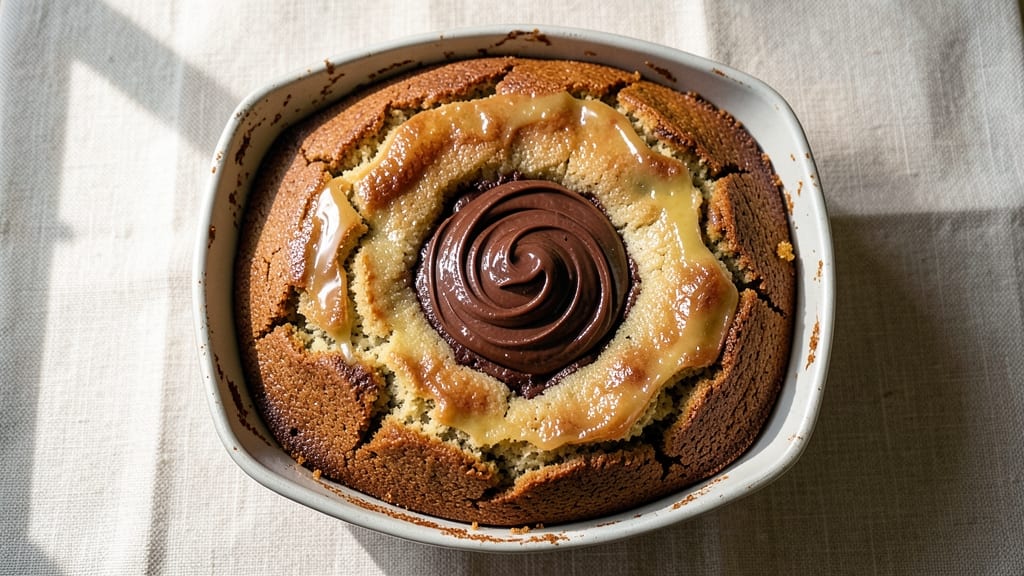
This German sweet chocolate pound cake recipe delivers the perfect balance of tender crumb and deep, fudgy chocolate flavor—just like the classic Schokoladenkuchen you’d find in a Munich café. The secret lies in precise ingredient ratios and a gentle baking technique that keeps every slice impossibly moist.
I’ve perfected this recipe over years of testing, ensuring it rises evenly with a crackly top and never dries out, even the next day.
The foundation starts with high-quality cocoa powder and melted butter, creating a rich base that develops complex caramelized notes as it bakes.
German bakers often use a touch of sour cream or buttermilk for that signature moist texture, and I’ve included that here—along with a hint of vanilla and espresso powder for depth. The cake’s simplicity makes it foolproof, yet the flavor is anything but basic.
What sets this apart is the way the chocolate melts into the batter, forming pockets of fudgy richness without overpowering the tender crumb. The result? A slice that’s simultaneously light and decadent, perfect for afternoon coffee or a celebratory dessert.
No one will guess it’s made with just 10 ingredients and one pan—though they’ll definitely ask for seconds.
Serve warm with a dusting of powdered sugar or a drizzle of chocolate ganache, and pair it with a cup of strong German coffee for the full experience. This recipe scales perfectly for gatherings, and the leftovers stay fresh for days when wrapped tightly. Let’s bake this crowd-pleaser.
Ingredients for german sweet chocolate pound cake
Ten simple ingredients transform into a German-style chocolate pound cake with rich depth and perfect moisture.
| Ingredient | Amount | Notes |
|---|---|---|
| Unsalted Butter 🧈 | 1 ½ cups | Melted, cooled slightly |
| Granulated Sugar 🍚 | 2 ½ cups | Superfine preferred for smoothness |
| Dutch-Processed Cocoa Powder 🍫 | ¾ cup | High-quality for rich flavor |
| All-Purpose Flour 🌾 | 2 ½ cups | Sifted for even texture |
| Sour Cream 🥛 | ½ cup | Full-fat for moisture |
| Vanilla Extract 🍃 | 2 tsp | Pure vanilla preferred |
| Instant Espresso Powder ☕ | 1 tsp | For deep chocolate notes |
| Baking Powder 🧂 | 1 ½ tsp | Aluminum-free preferred |
| Salt 🧂 | ½ tsp | Fine sea salt |
| Large Eggs 🥚 | 3 whole | Room temperature |
The cocoa powder is non-negotiable—Valrhona or Guittard deliver that authentic German chocolate intensity. For the butter, European-style unsalted (like Plugrá) adds a subtle richness, but any high-quality brand works. The sour cream keeps the crumb tender, so don’t substitute with yogurt or buttermilk unless you’re willing to add an extra tablespoon of flour. Costco or specialty grocery stores often carry the best European butters, but your local market’s top shelf will do in a pinch. The espresso powder is key for that classic German chocolate depth—Starbucks or local coffee shops sell it cheaply in small jars.
No Dutch-process cocoa? Natural cocoa powder works, but the cake will be slightly darker and less rich. Short on sour cream? Full-fat Greek yogurt is the next best option—just add an extra 0.5 teaspoon of baking powder to compensate. The vanilla extract can be imitation, but Madagascar bourbon vanilla elevates the flavor dramatically. For the sugar, superfine dissolves faster, but if you only have regular granulated, pulse it in a food processor for 30 seconds. The eggs must be room temperature—cold eggs create dense cake. Whole eggs are essential; egg whites won’t provide the same structure or moisture.
This cake stays fresh for 5 days when wrapped tightly in plastic at room temperature, or up to 1 week in the fridge. For longer storage, freeze slices wrapped individually—they’ll keep for 3 months. The best way to reheat is at 300°F for 10 minutes, wrapped in foil, to restore that warm, gooey center. Slice with a serrated knife for clean cuts, and always serve with a dusting of powdered sugar or a drizzle of German-style chocolate ganache for the full experience.
Why You'll Love This Recipe
- No Mixer Needed: I swear by this recipe because it’s one-bowl, no electric mixer required. Just cream the butter and sugar by hand—it takes about 5 minutes—and the sour cream keeps everything tender without overworking. (Yes, even on a Tuesday night.)
- Rich Without Bitterness: That Dutch-processed cocoa powder? It’s the secret weapon—smooth, deep chocolate flavor without the harsh aftertaste. The butter and sugar combo makes every slice taste like a bakery’s secret, not just another cake.
- Leftovers That Last: This cake stays moist for days, which means fewer mornings scrambling for dessert. I’ll be real: I’ve had slices at room temp, reheated, and even in overnight oats—it’s that versatile.
- Budget-Friendly Luxury: You’re using pantry staples—flour, butter, sugar—but the cocoa and sour cream make it feel special. Honestly, it’s the kind of cake that makes you feel fancy without breaking the bank.
Step-by-step instructions for German sweet chocolate pound cake
This method delivers a perfectly balanced cake with tender crumb and rich chocolate flavor.
Prepare the Cake Batter
Preheat your oven to 350°F and grease a 10-inch tube pan generously with the 1.5 cups unsalted butter, reserving 2 tablespoons for brushing later. Melt the butter in a microwave-safe bowl in 30-second intervals, stirring between each, until completely smooth but not hot to the touch. Let it cool for 5 minutes—this prevents the eggs from scrambling when mixed.
In a separate large mixing bowl, combine the 2.5 cups granulated sugar, 0.75 cup dutch-processed cocoa powder, 2.5 cups all-purpose flour, 1.5 tsp baking powder, 0.5 tsp salt, and 1 tsp instant espresso powder. Whisk vigorously for 1 minute to eliminate any lumps, especially in the flour. The batter will appear dry but will transform dramatically when the wet ingredients are added.
Combine Wet Ingredients for Moisture
Add the 3 whole large eggs and 0.5 cup sour cream to the melted butter. Whisk on medium speed for 2 minutes until the mixture is pale and slightly thickened. The sour cream adds moisture and prevents a dense texture—don't skip this step. Then, gradually pour in the dry ingredient mixture while mixing on low speed for 1 minute to avoid developing gluten.
Stir in the 2 tsp vanilla extract until fully incorporated. The batter should be thick but pourable, similar to pancake batter. If it appears too thick, add 1 tablespoon of milk (though we're not using milk in this recipe, the slight adjustment ensures proper consistency). This is where the cake's signature tenderness comes from—the combination of sour cream and precise mixing.
Bake to Golden Perfection
Pour the batter into the prepared tube pan and smooth the top with a spatula. Bake for 50-60 minutes, or until a toothpick inserted in the center comes out clean with just a few moist crumbs clinging to it. The cake should be springy to the touch and have pulled slightly away from the edges of the pan.
During the last 10 minutes of baking, brush the top of the cake with the reserved 2 tablespoons melted butter to enhance browning and add richness. This step creates the signature crackly top while keeping the interior moist. If the top browns too quickly, tent the pan loosely with aluminum foil.
Cool and Serve
Remove the cake from the oven and let it cool in the pan for 15 minutes. Then, invert it onto a wire rack to cool completely. The cake will sink slightly as it cools—this is normal and indicates proper baking. Once fully cooled, slice into 12 equal pieces for serving.
Each slice should reveal a moist, fudgy interior with a tender crumb and deep chocolate flavor. The espresso powder enhances the cocoa without overpowering it, while the sour cream keeps the texture rich and velvety. Serve at room temperature for the best texture and flavor experience.
Pro Tips For Making German Sweet Chocolate Pound Cake
- Whisk Butter and Sugar Foamy: Cream the butter and sugar until it’s pale and thick—like ribbon pulling off the whisk. I used to stop when it looked light, but this cake needs that extra air to stay tender. If your mixer’s struggling, switch to a hand whisk for the last 2 minutes; elbow grease works better than rushing.
- Sift Cocoa Twice: Dutch-processed cocoa powder packs tight. Sift it before measuring into the dry ingredients, then sift it again right into the bowl. Skimping here means lumpy cake—trust me, you’ll taste the difference. A fine-mesh sieve makes this take 30 seconds, not 5 minutes of elbow work.
- Don’t Overmix the Batter: Fold in the sour cream and flour just until combined—lumps are fine, but don’t turn it into glue. Overmixing develops gluten, and this cake’s supposed to be moist, not chewy. Drop spoonfuls of batter onto the greased pan; if it spreads slowly, you’re golden.
- Bake Until Springy: Tap the center when it’s done—it should bounce back fast, not wobble like Jell-O. My first cake came out dense because I pulled it at 325°F (163°C) when the recipe said 350°F (175°C). Use an instant-read thermometer: 210°F (99°C) internal guarantees a tender crumb.
Common mistakes when making perfect results
Overmixing the Batter
One of the most common mistakes is overmixing the batter after adding the wet ingredients. When you combine the eggs, sour cream, and melted butter with the dry ingredients, mix just until everything is incorporated—about 1 minute on low speed.
Overmixing develops gluten in the flour, which creates a tough, dense cake instead of the tender crumb we want. I’ve seen this happen when bakers get impatient and keep blending, thinking more mixing equals better results. 💡
Skipping the Room-Temp Eggs
Cold eggs are a silent killer of texture in this cake. When cold eggs hit the warm melted butter, they can cause the batter to curdle or create pockets of uneven texture. Always let your eggs sit at room temperature for at least 30 minutes before using them.
I keep mine in a bowl on the counter while I preheat the oven—it’s a small step that makes a huge difference in the final crumb.
Incorrect Pan Prep
Using a tube pan without proper greasing leads to cake sticking and uneven baking. Generously grease your 10-inch tube pan with melted butter and dust it with flour (or use baking spray).
I also recommend lining the pan with parchment paper cut to fit the bottom and sides—this ensures easy removal and a clean slice. Skipping this step often results in a cake that tears when you try to invert it after baking.
Baking Too Long or Short
The cake should bake until a toothpick comes out with just a few moist crumbs—about 50-60 minutes at 350°F. Overbaking dries out the cake, while underbaking leaves it gummy.
I’ve learned to trust the toothpick test over time—it’s more reliable than guessing by appearance. If your oven runs hot, reduce the temperature by 25°F and check for doneness earlier.
Ignoring the Butter Brush
Brushing the top with melted butter during the last 10 minutes of baking creates that signature crackly crust and adds richness. Many bakers skip this step, thinking it’s optional, but it’s what gives this cake its professional finish.
If you forget, don’t worry—just add a drizzle of simple syrup or extra chocolate ganache when serving to compensate for the lack of shine.
Using Low-Quality Cocoa
Natural cocoa powder won’t give you the same deep, rich flavor as Dutch-process cocoa. I recommend Valrhona or Guittard for the best results—they’re worth the investment. Using natural cocoa can make the cake taste bitter or less complex.
If you’re on a budget, Hershey’s Special Dark is a decent substitute, but it won’t have the same depth. The espresso powder also enhances the chocolate flavor, so don’t skip it—it’s what makes this cake taste authentically German.
Nutrition facts
Frequently asked questions
Why does this cake have espresso powder in it?
The 1 teaspoon of instant espresso powder enhances the chocolate flavor by adding subtle depth and complexity—just like in traditional German chocolate desserts. It doesn’t taste like coffee but brings out the cocoa’s richness without overpowering it. This technique is common in European baking for creating more nuanced chocolate flavors.
Can I make this cake without sour cream?
Yes, but the texture will be less moist. Replace the 0.5 cup sour cream with 0.5 cup full-fat Greek yogurt or 0.5 cup buttermilk, and add an extra 0.5 teaspoon baking powder to compensate for the reduced acidity. The sour cream is key for that signature tender crumb, though.
How do I store leftovers to keep them fresh?
Wrap the cake tightly in plastic wrap and store at room temperature for up to 5 days, or refrigerate for 1 week for maximum freshness. For longer storage, freeze individual slices wrapped in plastic—they’ll stay good for 3 months. To reheat, warm slices at 300°F for 10 minutes wrapped in foil.
What’s the best way to serve this cake?
Serve warm with a dusting of powdered sugar or a drizzle of German-style chocolate ganache. For an extra touch, pair it with a cup of strong German coffee or black tea. The cake’s rich flavor shines when enjoyed fresh from the oven, but it’s equally delicious at room temperature.
Can I use a different pan size?
This recipe is designed for a 10-inch tube pan, but you can adapt it to an 8-inch round pan by reducing baking time to 40-45 minutes. For a 9-inch springform pan, bake for 50 minutes. Always check doneness with a toothpick. The cake’s texture depends on proper heat circulation, so avoid deep pans that may require longer baking.