Side Dishes
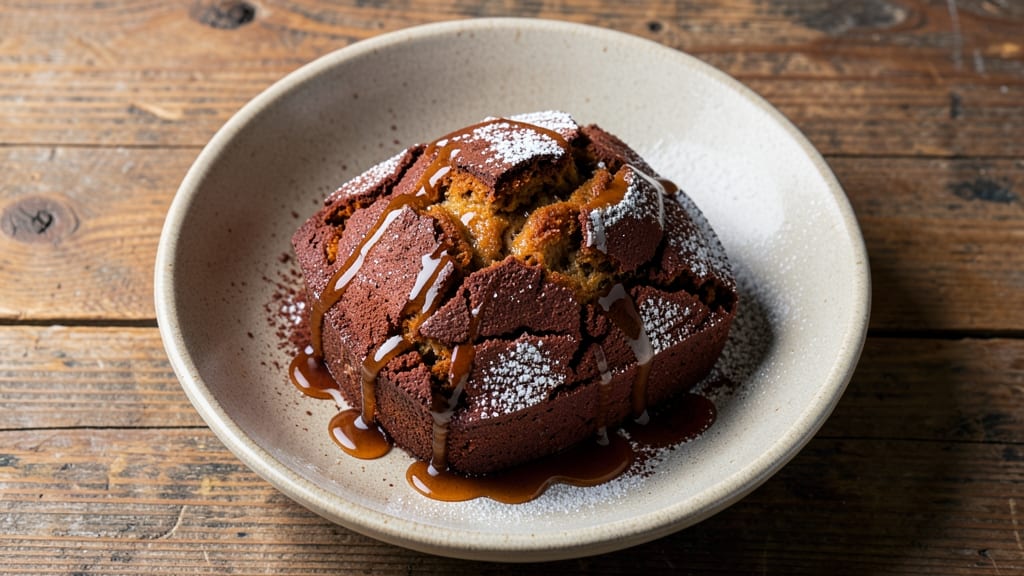
This sweet potato chocolate bread recipe transforms humble ingredients into a moist, richly textured loaf that sneaks in vegetables without sacrificing indulgence. The secret lies in blending sweet potato puree with cocoa powder, creating a tender crumb that's both vegan-friendly and packed with natural sweetness.
I developed this recipe after years of baking dense, dry chocolate bread—until I discovered how pureed sweet potato could replace eggs and oil while adding moisture and depth.
The beauty of this recipe is its simplicity: no fancy equipment, no complicated techniques, just a foolproof mix of pantry staples and a few key steps. The sweet potato puree acts as a natural binder and tenderizer, while the cocoa powder delivers that signature chocolate flavor without needing dairy.
Baking at 350°F for 35-40 minutes ensures a golden crust and a perfectly moist interior that stays fresh for days.
What makes this bread truly special is how it satisfies cravings while delivering hidden nutrition. The sweet potato adds natural sweetness and fiber, while the cocoa provides antioxidants—all without compromising on that decadent chocolate experience.
Whether you're looking for a vegan dessert, a hearty side, or a snack to share, this recipe delivers every time.
Serve it warm with a sprinkle of powdered sugar, toasted with almond butter, or paired with a cup of coffee for the ultimate comfort experience. The possibilities are endless, but the moist crumb and rich chocolate flavor remain the stars. Let's get baking!
Ingredients for sweet potato chocolate bread
Transform ordinary pantry staples into decadent vegan chocolate bread with hidden sweet potato nutrition.
| Ingredient | Amount | Notes |
|---|---|---|
| Sweet Potato Puree 🍠 | 1 cup | Unsweetened, homemade or store-bought |
| Unsweetened Applesauce 🍎 | ½ cup | Natural binder substitute |
| All-Purpose Flour 🌾 | 2 cups | White or whole wheat blend |
| Cocoa Powder 🍫 | ½ cup | Natural, unsweetened preferred |
| Granulated Sugar 🍚 | ¾ cup | Organic preferred for purity |
| Maple Syrup 🍯 | ¼ cup | Grade B for depth of flavor |
| Baking Soda 🧂 | 1 tsp | Pure, aluminum-free |
| Salt 🧂 | ½ tsp | Diamond Crystal kosher |
| Ground Flaxseed 🌾 | 1 tbsp | For flax egg substitute |
| Vanilla Extract 🌿 | 1 tsp | Pure Madagascar bourbon |
| Almond Milk 🥛 | ½ cup | Unsweetened, for moisture |
| Vegetable Oil 🫒 | ¼ cup | Light, neutral flavor |
| Powdered Sugar 🍚 | ¼ cup | For garnish, optional |
The sweet potato puree is the cornerstone of this recipe's moisture and depth. Opt for organic sweet potatoes when possible, as their higher natural sugar content enhances the bread's richness. For convenience, Trader Joe's and Whole Foods carry excellent pre-pureed options, but homemade yields superior texture. The puree should be smooth—strain it through a fine-mesh sieve if using fresh sweet potatoes to eliminate any fibrous residue. Freshly made puree contains more moisture than canned varieties, which helps create that signature tender crumb. Store any extra puree in airtight containers in the freezer for up to 3 months.
Substitutions are flexible but require strategic adjustments. Coconut sugar can replace granulated sugar at a 1:1 ratio, though it may slightly alter the bread's texture. For those without maple syrup, agave nectar works well, though it lacks the same caramel depth. The flax egg substitute is non-negotiable for binding—chia seeds at a 1:1 ratio can replace flaxseed, though they yield a slightly firmer crumb. When using whole wheat flour, reduce the all-purpose flour by 0.25 cup to maintain the bread's lightness. The cocoa powder must be natural and unsweetened—Navitas or Guittard brands deliver the most authentic chocolate flavor without added sugars.
This bread achieves peak freshness when baked and consumed within 2 days, though it remains edible for up to 5 days when stored in an airtight container at room temperature. For longer storage, wrap tightly in plastic wrap followed by aluminum foil to preserve moisture, then refrigerate for up to 1 week. Freezing is ideal for extended preservation: slice the bread before freezing, then toast directly from frozen for 3 months without compromising texture. The powdered sugar garnish, if used, should be applied immediately after baking to prevent clumping, though it can be sprinkled just before serving for a fresh presentation.
Why You'll Love This Recipe
- No Mixer Needed: I swear by this recipe when my mixer’s on the fritz—just whisk the sweet potato puree and applesauce into the dry ingredients until just combined. The cocoa and sugar dissolve right in, no lumps, no fuss. Honestly, my arms thank me every time.
- Rich Without Guilt: That deep chocolate flavor? It’s all thanks to the sweet potato puree—naturally sweet, so you can cut back on sugar and still get moist, fudgy layers. I’ll be real: my kids don’t even notice it’s lighter, but my waistline does.
- Breakfast or Snack Hero: Slice it toasted with peanut butter for a protein-packed breakfast or pack it for lunch—it holds up way better than regular chocolate bread. (Yes, even on a Tuesday night when you’re too tired to think.)
- Pantry Staple Magic: Sweet potato puree and applesauce stretch your budget, and the flour/cocoa combo costs pennies. Bake a loaf, freeze half, and you’ve got dessert or a quick snack ready in minutes. My secret weapon for when I’m broke but still crave something indulgent.
Step-by-step instructions for sweet potato chocolate bread
Here's the precise method to achieve a tender crumb with rich chocolate depth and natural sweetness.
Combine Wet Ingredients for Optimal Moisture
In a large mixing bowl, whisk together the 1 cup sweet potato puree and 0.5 cup unsweetened applesauce until fully blended. This combination creates the bread's signature moisture while maintaining structure. The sweet potato puree adds natural sweetness and a subtle earthy note that complements the chocolate.
Next, stir in the 0.25 cup maple syrup and 1 tsp vanilla extract. The maple syrup enhances the caramelized flavor profile, while the vanilla extract adds aromatic depth. In a separate small bowl, mix the 1 tbsp ground flaxseed with 3 tbsp warm water to create a flax egg substitute. Let this sit for 5 minutes to thicken—this will provide the necessary binding without additional eggs.
Incorporate Dry Ingredients for Perfect Texture
In the same bowl, sift together the 2 cups all-purpose flour, 0.5 cup cocoa powder, 0.75 cup granulated sugar, 1 tsp baking soda, and 0.5 tsp salt. This step ensures even distribution of the cocoa powder, which can clump if added directly to the wet mixture. The baking soda will help create a light, airy crumb, while the salt balances the sweetness.
Make a well in the center of the dry ingredients and pour in the flax egg mixture. Gradually add the 0.5 cup almond milk and 0.25 cup vegetable oil, mixing just until combined. Avoid overmixing—the goal is to create a thick batter with a few small lumps remaining. The almond milk adds moisture while keeping the bread tender, and the oil contributes to a rich, velvety texture.
Prepare the Loaf Pan for Even Baking
Preheat your oven to 350°F. Generously grease a 9x5-inch loaf pan with vegetable oil or line it with parchment paper to prevent sticking. The pan should be well-coated to ensure the bread releases cleanly. Pour the batter into the prepared pan and smooth the top with a spatula. Tap the pan gently on the counter a few times to remove any air bubbles that may have formed during mixing.
Bake for 50-55 minutes, or until a toothpick inserted into the center comes out clean and the top springs back when pressed lightly. The bread is ready when the edges pull away from the pan and the internal temperature reaches 205°F. Overbaking can dry out the bread, so keep a close eye on it during the last 5 minutes of baking.
Cool and Garnish for Presentation
Remove the bread from the oven and let it cool in the pan for 10 minutes. This allows the internal heat to distribute evenly, preventing cracks as it cools further. Transfer the bread to a wire rack and let it cool completely before slicing. The bread will firm up as it cools, making it easier to slice into even portions.
Once cooled, dust the top with 0.25 cup powdered sugar for a decorative finish. This step is optional but enhances the visual appeal and adds a subtle sweetness. Store any leftovers in an airtight container at room temperature for up to 3 days or refrigerate for up to 5 days. For best texture, reheat slices in a toaster or oven at 300°F for 5-7 minutes before serving.
Pro Tips For Making Sweet Potato Chocolate Bread
- Measure the puree cold: Sweet potato puree thickens as it cools—scoop it straight from the fridge or let it sit for 10 minutes after microwaving. I learned this the hard way when my first batch turned into a dense brick because I used warm, runny puree. A half-cup measure is your friend here.
- Sift the cocoa first: Cocoa powder clumps like a grumpy cat, and clumps in bread mean uneven texture. Sift it with the flour before mixing—no lumps, no surprises. (Yes, even if you’re tempted to eyeball it.)
- Don’t overmix the dough: This isn’t cookie dough; handle it like you’re folding in a delicate soufflé. Mix just until the flour disappears—overworking it makes the bread tough. I used to beat it like I was mad, and the results were sad.
- Bake with a tray of water: The cocoa and applesauce love moisture, but the oven can dry them out fast. Place a shallow tray of hot water on the lower rack while baking—keeps the bread tender without turning it gummy. (Bonus: It’s also how you avoid a sad, cracked crust.)
Troubleshooting perfect results
Dense Batter Issues
If your batter turns too thick and gloopy, you’ve likely overmixed or used too much flour. To fix this, add 1-2 tablespoons of almond milk at a time until you reach a thick but pourable consistency. I’ve found that overmixing activates the gluten too much, making the bread dense.
Mix just until combined—look for small lumps to remain. If the batter still seems too thick after adding liquid, let it rest for 10 minutes before baking to allow the flour to hydrate properly. 💡
Flat or Cracked Top
A flat or cracked top usually means your oven wasn’t hot enough or the batter was too dry. First, ensure your oven is fully preheated to 350°F—use an oven thermometer to confirm accuracy.
If cracks appear, cover the loaf loosely with aluminum foil during the first 20 minutes of baking to trap steam. For extra insurance, brush the top with a little almond milk before baking to encourage browning.
A cracked top doesn’t ruin the bread—just slice it off or serve it as-is for a rustic look. ✨
Dry or Crumbly Texture
Dryness often stems from overbaking or insufficient moisture in the batter. Pull the bread from the oven as soon as a toothpick comes out clean (around 50-55 minutes), even if the edges look set.
If the bread still feels dry after cooling, try increasing the sweet potato puree by 2 tablespoons next time. For extra moisture, add 1 tablespoon of vegetable oil to the batter.
Store leftovers in an airtight container with a slice of bread or a damp paper towel to retain freshness. 🍠
Bread Sticks to Pan
If your bread clings to the pan, it’s likely due to insufficient greasing or parchment paper. Always coat the 9x5-inch loaf pan generously with vegetable oil or use parchment paper cut to fit the bottom. For extra insurance, lightly grease the parchment paper itself.
If the bread still sticks, let it cool in the pan for 15 minutes before attempting to remove it—this helps it firm up enough to release cleanly. A thin spatula can help loosen stubborn edges. 🔥
Pale or Underbaked Center
A pale center means the bread didn’t bake long enough or the oven temperature was too low. Double-check your oven’s calibration with a thermometer—many ovens run 25-50°F cooler than set.
If the center is underdone, return the bread to the oven for 5-10 minutes at 325°F to finish cooking without overbrowning the top. For future bakes, tent the loaf with foil if the top browns too quickly while the center stays pale. 🌡️
Bitter Chocolate Flavor
Bitter chocolate flavor usually means the cocoa powder was added incorrectly or the sweetness wasn’t balanced. Ensure you’re using natural, unsweetened cocoa powder like Navitas or Guittard. If the flavor is still off, reduce the cocoa by 1 tablespoon and add 1 tablespoon of maple syrup to enhance sweetness.
Avoid Dutch-process cocoa, which can taste bitter. For a richer chocolate experience, add 1 oz of melted dark chocolate to the batter for depth. 🍫
Nutrition facts
Frequently asked questions
Can I make this bread without sweet potatoes?
The sweet potato puree is key for moisture and natural sweetness, but you can substitute with 1 cup unsweetened applesauce or 1 cup mashed banana for a similar texture. The bread will lose some depth, though—sweet potatoes add that unique caramelized flavor. For a chocolatey twist, try 1/2 cup pumpkin puree mixed with 1/2 cup applesauce.
Why does my batter look too thick?
Overmixing or extra flour often causes thick batter. To fix it, add 1-2 tablespoons of almond milk at a time until pourable. Mix just until combined—small lumps are normal! Let the batter rest for 10 minutes before baking to help the flour hydrate properly. If it's still too thick, reduce the flour by 1 tablespoon next time.
How do I store leftovers to keep them fresh?
Store in an airtight container at room temperature for up to 3 days, or refrigerate for 5 days. For longer storage, wrap slices individually in plastic wrap and freeze for up to 3 months. Toast frozen slices directly from the freezer for 5-7 minutes at 300°F to restore freshness.
Can I add nuts or chocolate chips?
Fold in 1/2 cup chopped walnuts or pecans for crunch, or 1/2 cup vegan chocolate chips for extra decadence. Add them to the batter after mixing in the dry ingredients, but don't overmix. For best results, use enjoy life brand chocolate chips—they're vegan and melt beautifully.
Why did my bread turn out dense?
Dense bread usually means overmixing or overbaking. Mix just until combined (small lumps are fine!) and bake until a toothpick comes out clean (50-55 minutes). If the texture is still dry, try increasing the sweet potato puree by 2 tablespoons next time. Store leftovers with a slice of bread or damp paper towel to retain moisture.