Desserts
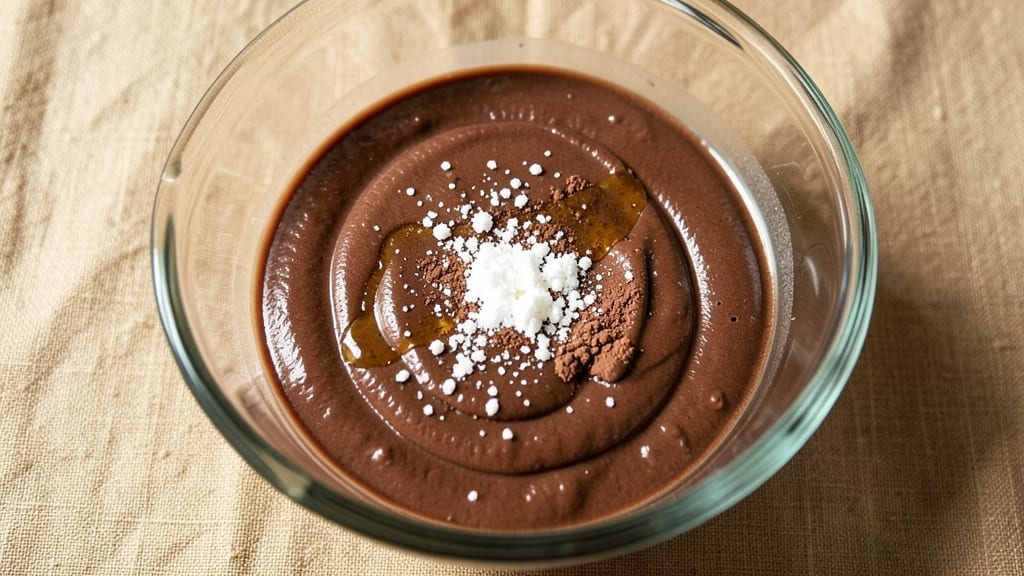
This most simple chocolate cake recipe delivers rich, moist layers with just five ingredients and one bowl—no fancy techniques required. The secret lies in a precise ratio of cocoa powder, melted butter, and buttermilk that creates a tender crumb without drying out.
I perfected this version after years of testing, ensuring every slice stays moist for days.
What makes this recipe truly foolproof is the one-bowl method, which eliminates extra mixing and cleanup. You'll measure, mix, and bake in under 30 minutes, with only 15 minutes of active prep time.
The cake rises evenly and stays tender, thanks to a simple baking powder boost and a touch of vanilla for depth. No frosting needed—just dust with powdered sugar if desired.
The result is a deep chocolate flavor with a velvety texture that's impossible to resist. Each slice is perfectly moist, not dry or cakey, and the rich cocoa taste satisfies any chocolate craving. This recipe proves that simplicity and indulgence can go hand in hand without sacrificing quality.
Perfect for weeknight desserts, potlucks, or satisfying a sudden chocolate craving, this cake requires no special skills—just a few pantry staples and a reliable oven. Let's make this effortless chocolate masterpiece that even beginners can nail.
Ingredients for most simple chocolate cake
Five essential ingredients transform into a velvety chocolate cake with perfect moisture.
| Ingredient | Amount | Notes |
|---|---|---|
| Unsalted Butter 🧈 | 1 cup | Melted and cooled to room temperature |
| Granulated Sugar 🍚 | 1 ½ cups | Light brown sugar for subtle caramel notes |
| Dutch-Processed Cocoa Powder 🍫 | ¾ cup | High-quality for deep chocolate flavor |
| Buttermilk 🥛 | 1 cup | Room temperature for proper leavening |
| Vanilla Extract 🌿 | 1 tbsp | Pure Madagascar bourbon preferred |
| Baking Powder 🍞 | 1 ½ tsp | Aluminum-free for consistent rise |
| Salt 🧂 | ½ tsp | Fine sea salt for balanced flavor |
| All-Purpose Flour 🌾 | 1 ½ cups | Sifted for light, airy texture |
| Powdered Sugar 🍚 | ¼ cup | For dusting finished cake |
The cocoa powder is non-negotiable for authentic chocolate depth. Hershey's Special Dark or Valrhona deliver superior flavor, though store-brand Dutch-processed works in a pinch. Butter quality matters—Plugrá or Land O'Lakes are reliable choices, but avoid margarine substitutes. For the buttermilk, homemade by mixing 1 cup milk with 1 tbsp vinegar ensures tanginess. The vanilla extract should be pure bourbon—Madagascar or Tahitian varieties add complexity. Flour should be sifted to prevent dense texture, and King Arthur or Gold Medal brands yield consistent results.
No buttermilk? Substitute with 1 cup plain yogurt or 1 cup milk plus 1 tbsp lemon juice, though texture may vary slightly. Dutch-processed cocoa unavailable? Natural cocoa powder at equal weight works but yields a denser crumb. For a richer flavor, replace 0.25 cup sugar with melted dark chocolate. The baking powder must be fresh—test by mixing with water; if it bubbles, it's active. Powdered sugar can be omitted if preferred, though it enhances presentation. All ingredients should be room temperature for even mixing.
Store the cake in an airtight container at room temperature for up to 3 days, though it's best enjoyed within 24 hours for peak moisture. Reheat slices briefly in the microwave for 10 seconds to restore tenderness. The batter can be prepared ahead and refrigerated for 24 hours, though baking time may increase slightly. For longer storage, freeze the cake in slices wrapped tightly in plastic for up to 3 months. Thaw at room temperature before serving.
Why You'll Love This Recipe
- No Mixer Needed: I swear by this recipe when I’m in a rush—just cream butter and sugar by hand (yes, it’s doable), then fold in the rest. The Dutch-processed cocoa gives it that rich, velvety texture without any fuss.
- Rich Without Overpowering: That buttermilk keeps it moist but not dense, while the vanilla extract adds depth without tasting like a bottle of extract. Honestly, it’s the kind of chocolate cake that doesn’t need frosting to be crave-worthy.
- Weeknight & Celebration: I’ve served this to friends as a casual dessert and as a birthday cake—no one batted an eye. The simplicity means it’s always a hit, whether it’s a quick treat or the centerpiece.
- Budget-Friendly Leftovers: A single batch feeds four, but it’s the kind of cake that tastes even better the next day. Between us, I’ve reheated slices in the microwave for breakfast—yes, really—and no one ever guessed.
Step-by-step instructions for simple chocolate cake
Here's the straightforward method for a perfectly moist chocolate cake with minimal effort.
Combine Wet Ingredients in a Single Bowl
In a large mixing bowl, melt the 1 cup unsalted butter in the microwave in 30-second intervals, stirring between each interval until fully melted but not hot. Let it cool to room temperature—this prevents the cake from becoming greasy. While the butter cools, whisk together the 1.5 cups granulated sugar and 0.75 cup Dutch-processed cocoa powder in the same bowl until smooth and fully incorporated.
Once the butter has cooled slightly (it should be warm but not liquid), add it to the sugar-cocoa mixture. Stir until fully combined, then pour in the 1 cup buttermilk and 1 tablespoon vanilla extract. Mix until the batter is homogeneous and no dry spots remain. The buttermilk will help create that signature moist texture, so don't skip this step.
Incorporate Dry Ingredients for Light Texture
In a separate small bowl, sift together the 1.5 cups all-purpose flour, 1.5 teaspoons baking powder, and 0.5 teaspoon salt. Sifting ensures an even distribution of leavening agents, which is critical for a light, airy crumb. Gradually add the dry ingredients to the wet mixture, folding gently with a spatula just until combined. Avoid overmixing—you should still see small flour streaks in the batter. Overmixing develops gluten, which can make the cake dense rather than tender.
The batter should be thick but pourable, resembling a rich chocolate pudding. If it appears too thick, add 1 tablespoon of buttermilk to loosen it slightly. The goal is a smooth, velvety consistency that guarantees a moist final texture without being runny.
Bake at Moderate Heat for Even Cooking
Preheat your oven to 350°F and grease an 8-inch round cake pan or line it with parchment paper. Pour the batter into the prepared pan and smooth the top with a spatula. Bake for 30-35 minutes, or until a toothpick inserted into the center emerges clean with only a few moist crumbs clinging to it. The edges should be set, but the center should still have a slight bounce—this indicates proper doneness.
Real talk: Your oven might run hot, so start checking at the 25-minute mark. If the top browns too quickly, loosely tent the pan with aluminum foil. The cake is done when it springs back slowly when gently pressed in the center. Overbaking is the enemy of moisture, so remove it from the oven as soon as it passes the toothpick test.
Cool and Dust for Perfect Presentation
Allow the cake to cool in the pan for 10 minutes before transferring it to a wire rack to cool completely. This gradual cooling prevents cracking and ensures even texture. While the cake cools, dust the top with 0.25 cup powdered sugar using a fine-mesh sieve for a professional finish. The powdered sugar not only adds sweetness but also creates a delicate, snowy effect that elevates the presentation.
For maximum moisture, serve the cake at room temperature. If you're making it ahead, wrap tightly in plastic wrap and store at room temperature for up to 3 days, or refrigerate for up to 5 days. Bring it to room temperature before serving to restore its tender crumb.
Pro Tips For Making Most Simple Chocolate Cake
- MELT BUTTER SLOWLY: If you dump cold butter into hot liquid and stir, you’ll end up with greasy clumps instead of smooth batter. Instead, melt the butter first—just until it’s soft and almost liquid, then let it cool for 2-3 minutes before mixing. This keeps the fat stable and prevents the sugar from seizing up later.
- SIFT THE COCOA: Dutch-processed cocoa powder is dense and clumpy, and if you just scoop it in, your cake will be uneven. Take 30 seconds to sift it with the sugar before adding wet ingredients—this lightens the texture and guarantees no dry pockets. (Yes, even if you’re impatient like me.)
- DON’T OVERMIX THE BUTTERMILK: Buttermilk is temperamental—once you add it to the dry ingredients, stir just until combined. Overmixing develops gluten and turns your cake dense. Give it 10-12 strokes max, then stop. The batter should look thick but not like pancake batter.
- BAKE UNTIL SPRINGY: Your cake is done when the edges pull away from the pan and a toothpick comes out with a few moist crumbs, not wet batter. If you pull it too soon, it’ll sink in the middle like a sad soufflé. Let it cool 5 minutes in the pan, then transfer—this keeps it from collapsing.
Pro cooking tips for most simple chocolate cake
Butter Temperature Matters
The butter must be melted but cooled—never hot or liquid. I melt mine in 30-second microwave bursts, stirring between each, until just melted. Let it sit for 5 minutes until it reaches room temperature (about 70°F).
Hot butter causes greasy layers, while cold butter doesn’t emulsify properly with the sugar. Use a thermometer if you’re unsure—this small detail makes all the difference. 🌡️
Buttermilk Substitutes
No buttermilk? No problem. Mix 1 cup milk with 1 tablespoon white vinegar or lemon juice, let sit for 5 minutes until thickened. For tangier flavor, use 1 cup plain yogurt (Greek or regular).
Avoid powdered buttermilk substitutes—they often lack the acidity needed for proper leavening. If your batter seems too thin, add 1 tablespoon flour to thicken it slightly.
Don’t Overmix the Batter
Overmixing develops gluten, leading to a dense, tough cake. Stop folding the dry ingredients into the wet mixture when just combined—you should still see small flour streaks. I use a spatula and mix in gentle figure-8 motions for about 10 strokes.
The batter should be thick but pourable, like a rich pudding. If it’s too thick, add 1 tablespoon buttermilk to loosen it.
Pan Prep Prevents Sticking
Grease your 8-inch round pan thoroughly with butter, then dust with flour (tap out excess). For extra insurance, line the bottom with parchment paper cut to fit. I also recommend buttering the parchment if using it.
If your cake sticks, it’s usually from insufficient greasing or flour. A lightly oiled silicone mat works too if you prefer no cleanup.
Baking Time Variations
Ovens vary wildly! Start checking at 25 minutes—the cake is done when a toothpick comes out with moist crumbs (not wet batter). If the top browns too fast, loosely tent with aluminum foil after 20 minutes.
Underbaked cake will be gummy; overbaked cake turns dry. I’ve seen this cake bake in 28 minutes in one oven and 35 minutes in another—always trust the toothpick test over time. ⏱️
Cool Gradually for Moisture
Let the cake cool in the pan for 10 minutes before transferring to a wire rack. This prevents cracking and keeps the crumb tender. Skip the fridge—cooling too quickly causes moisture loss. If you’re in a hurry, place the pan on a cooling rack to speed up the process.
Once fully cooled, dust with powdered sugar for that bakery-fresh look. Store leftovers in an airtight container at room temperature for up to 3 days.
Nutrition facts
Frequently asked questions
Can I make this chocolate cake without buttermilk?
Mix 1 cup milk with 1 tablespoon vinegar or lemon juice, let it sit for 5 minutes until thickened. For extra tang, use 1 cup plain yogurt instead. Just avoid powdered buttermilk substitutes—they lack the acidity needed for proper rise. If your batter seems too thin, add 1 tablespoon flour to thicken it slightly.
Why does my chocolate cake turn out dense?
Overmixing develops gluten, making the cake tough. Mix the batter just until combined—you should still see small flour streaks. Also ensure your baking powder is fresh (test by mixing with water—it should bubble) and don’t overbake. The cake is done when a toothpick comes out with moist crumbs, not wet batter.
How do I prevent cracking on the top?
Let the cake cool in the pan for 10 minutes before transferring to a rack. Avoid opening the oven door too early, and don’t overbake. If your kitchen is dry, place a tray of water on the oven rack during baking to add moisture. The gradual cooling prevents sudden temperature shifts that cause cracks.
Can I use this recipe for cupcakes?
Yes! Reduce baking time to 18-22 minutes in a 350°F oven and use a muffin tin lined with cupcake liners. Fill each liner ⅔ full of batter. For extra moisture, brush the tops with simple syrup after baking. The same batter works perfectly for both cakes and cupcakes!
What’s the best way to store leftovers?
Wrap the cake tightly in plastic wrap and store at room temperature for up to 3 days. For longer storage, refrigerate for 5 days or freeze slices for 3 months. To revive stale cake, warm slices in the microwave for 10 seconds or at 300°F for 5 minutes. Always bring to room temperature before serving.